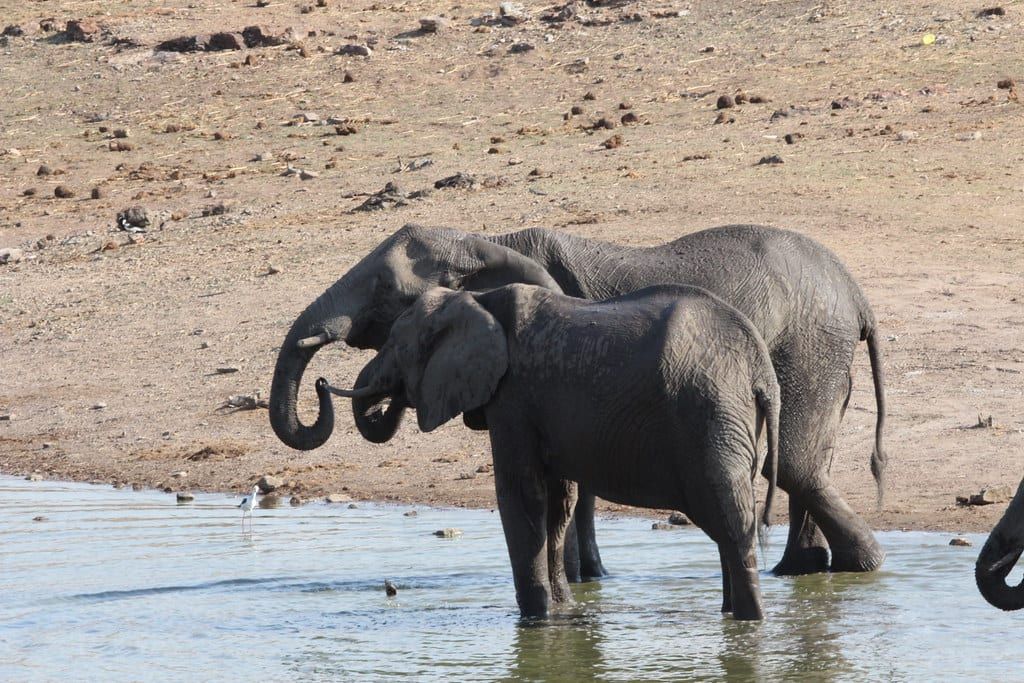
Hwange National Park is Zimbabwe's largest protected area — 14,651 km² of teak and mopane woodland on Kalahari sands, halfway between Victoria Falls and Bulawayo — and almost everything you'll do here revolves around one question: where is the wildlife today? The answer is usually a waterhole. Because Hwange has no permanent rivers, ZimParks pumps more than 60 boreholes across the park, and in the dry season those pans pull in elephant herds by the hundreds, lions, buffalo, sable and one of Africa's largest surviving wild dog populations.
This guide walks through the activities in the order you'd actually plan them: the wildlife you're here for, then game drives, waterhole hides, walking safaris, night drives, birding and the Painted Dog Conservation Centre, finishing with sample day plans and costs. If you're still weighing Hwange against other parks, start with our complete Hwange planning guide.
Wildlife of Hwange: What You'll See and Where
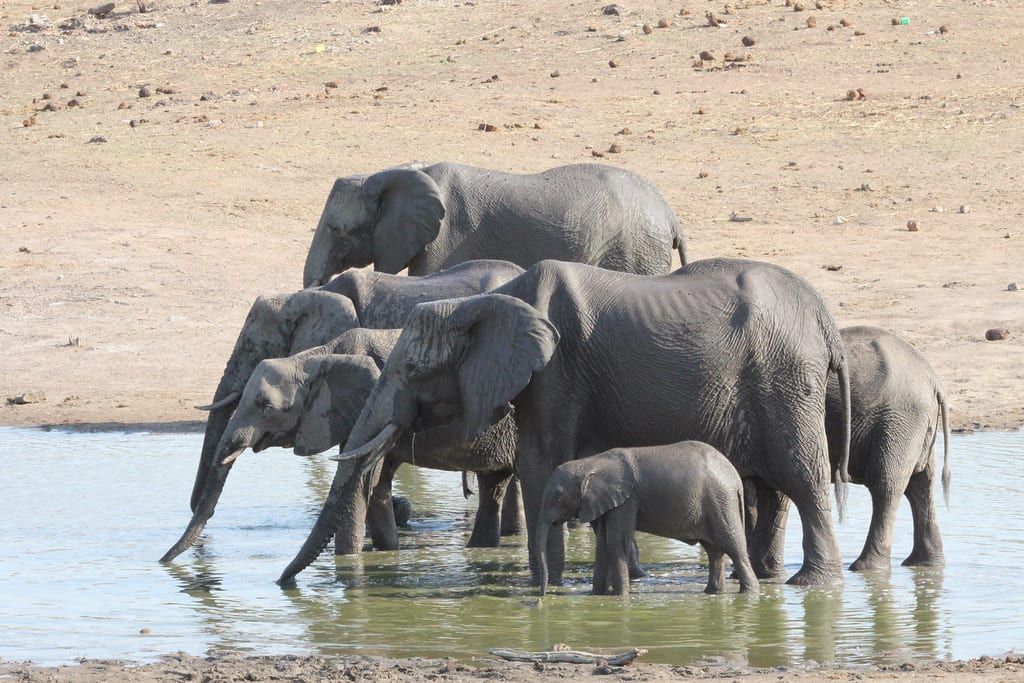
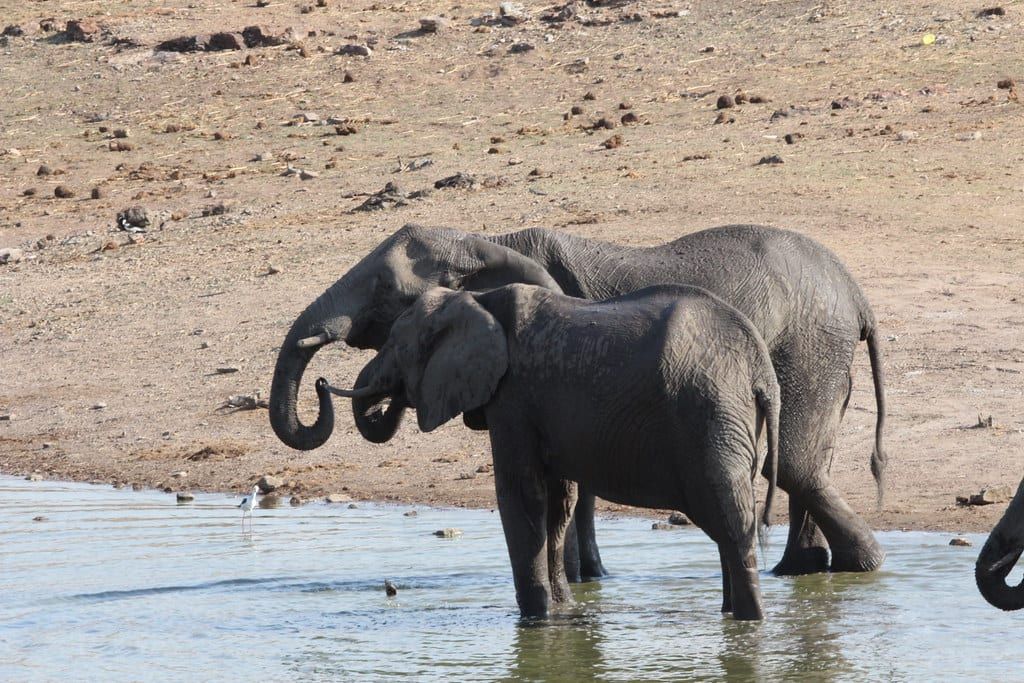
Hwange holds more than 100 mammal species and nearly 400 recorded birds across an area the size of a small country, but the headline act is the elephants. In the dry season, up to 50,000 of them — roughly 10% of Africa's entire continental population — move through the park, and it's not unusual for several hundred to crowd a single waterhole in the midday heat. September and October are the peak months for this. If herds like that are your main draw, our guide to Hwange's great elephant herds covers where and when to find them.
The Big Five question needs an honest answer: ZimParks lists elephant, lion, leopard and buffalo. Rhino are effectively off the table — they're very rare in the park. Lions are reasonably common (prides run up to 20 animals), leopard and cheetah are elusive, and the dry season's thin bush is when your odds improve. Two species matter more here than almost anywhere else: African wild dogs, with Hwange holding one of the largest surviving populations on the continent, and the dry-country antelope — sable, roan, gemsbok — that live at the eastern edge of the Kalahari. Hwange is also Zimbabwe's only protected area with gemsbok and brown hyena.
Why does everything concentrate at the pans? Much of the park sits on fossil water with no permanent surface supply, so the 60-plus solar- and diesel-pumped waterholes act as year-round magnets. Learn where they are and you've learned the park.
Three zones make up your mental map. Main Camp, in the east, is the accessible option — all-weather loop roads, self-drive friendly, 200 km of tar from Victoria Falls. Sinamatella, in the north-west, sits on an escarpment and feels wilder. Robins and Nantwich, in the far north, are the remote end: few vehicles, big distances, and the best odds for species like roan.
Game Drives: The Heart of a Hwange Safari
The first and last hours of daylight are when Hwange delivers, so build your days around them. ZimParks' management plan lists gates opening around 6am and closing by 6:30pm in summer, though day-visitor times are currently posted as 08:00 to 16:30 — confirm the current hours with your camp before you plan. Either way, be on the road at first light and back out for the late-afternoon session; the middle of the day belongs to the waterholes, not the driving.
Can you self-drive? Yes, and it's one of the reasons Hwange is popular with independent travellers. The game-viewing circuit around Main Camp is passable in an ordinary sedan — mind the potholes — while Sinamatella, Robins and the southern roads demand a high-clearance 4WD. Stay on designated roads, keep to the 40 km/h park limit, and be back inside the gate before it closes; night driving inside the park is prohibited, and latecomers risk being turned away. There's no reliable fuel inside the park, so fill up in Hwange town or Victoria Falls before entering.
Guided drives change the math. Lodge guides carry radios linking them to every other vehicle in the area, and the good ones have a decade or two of Hwange-specific knowledge — they know which pride is denning where and which pan the dogs hunted last night. Expect roughly US$45–80 per person, often included in lodge packages. In peak season, book at least 48 hours ahead. If you'd rather leave the logistics to someone else, our Hwange safari tours page compares guided options.
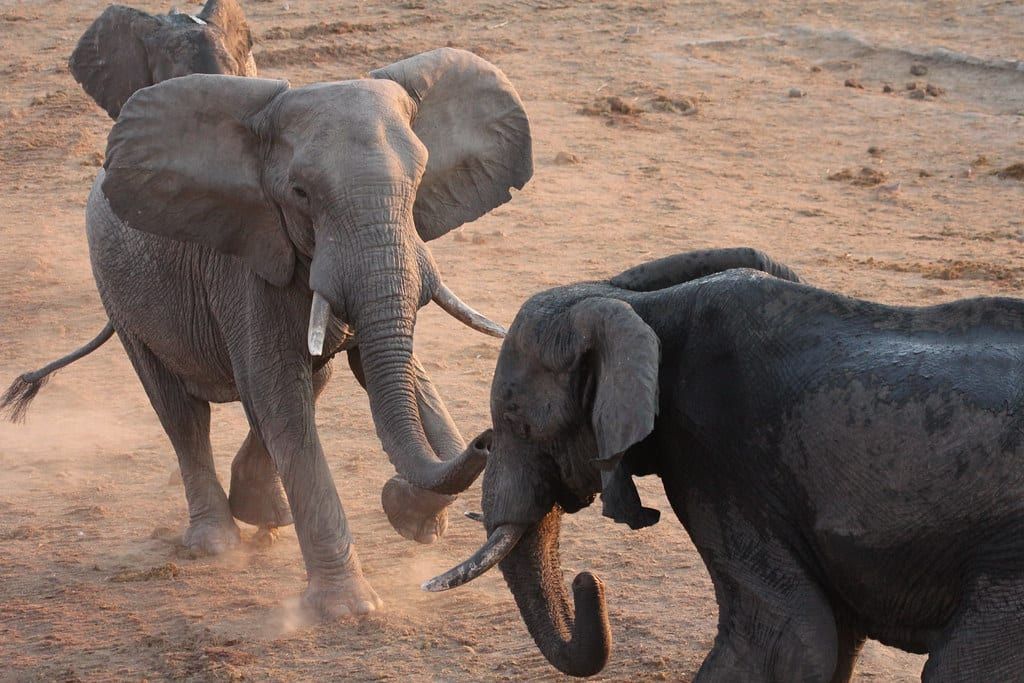
The safety rules are simple and non-negotiable: stay in the vehicle, keep arms and cameras inside, no sudden movements, and never exit except at designated picnic sites, platforms and hides. Give elephants with calves a wide berth — ZimParks flags them specifically — and if an elephant mock-charges, reverse slowly rather than accelerating away. Patience beats kilometres; the best drives are often the ones where you stop and wait.
Waterhole Hides and Sundowners: Hwange's Signature Experience
Park at a pan, switch off the engine, and let the wildlife come to you — this is the activity that sets Hwange apart from every other park in the region. Because the waterholes are pumped year-round, the game has no choice but to show up, and a three-hour vigil at the right pan can outproduce a full day of driving.
Nyamandhlovu Pan, near Main Camp, is the classic: an elevated platform that holds about 20 people, open in daylight, no booking needed for self-drivers, with the sort of low, side-on angles photographers chase. Dom Pan is the elephant specialist — in the dry season, 200 to 300 animals arrive in successive afternoon waves, so get there by about 3:30pm and hold your position until dusk. Further north, Masuma Dam's thatched hide near Sinamatella is one of Zimbabwe's finest, with hippos and crocodiles sharing the waterline with constant elephant traffic, and Mandavu Dam is another large pan worth the drive. Ngweshla Pan combines a hide with a picnic site and toilets. In the Robins area, Deteema Dam sees so few visitors that wild dog, sable and roan sightings are a regular event rather than a fluke.
| Waterhole | Zone | Best time | What to expect |
|---|---|---|---|
| Nyamandhlovu Pan | Main Camp | Late afternoon | Elevated platform (~20 people); elephant, buffalo, predators |
| Dom Pan | Main Camp | From 3:30 pm | 200–300 elephants in waves, dry season |
| Masuma Dam | Sinamatella | Dawn and dusk | Thatched hide; hippos, crocs, elephant traffic |
| Mandavu Dam | Sinamatella | Any daylight hours | Large pan, reliable general game |
| Ngweshla Pan | Main Camp circuit | Midday | Hide plus picnic site with toilets |
| Deteema Dam | Robins | Morning | Wild dog, sable, roan; very few visitors |
Etiquette is the whole technique: engine off, voices low, and stay put. The animals habituate to a quiet, stationary vehicle and resume normal behaviour within minutes; a moving one resets the clock. The sundowner tradition grows out of this — as the light goes amber and the first elephants shoulder each other for position at the water's edge, you'll understand why people book the same hide three days running.
Walking Safaris and Night Drives
These are the two activities a self-driver can't do alone, and they're worth planning your stay around. On foot, the bush becomes a different park: your guide reads tracks in the sand, points out dung middens and browseline marks, and explains the plant and bird ecology that a vehicle rolls straight past. It's also the only way to grasp how big an elephant actually is.
Every walk runs with an armed, qualified professional guide and a group capped at eight guests. Half-day walks through private lodges cost around US$50–80 per person; ZPWMA-guided walks from Sinamatella Camp are the budget route at roughly US$20–30. Walks aren't recommended for children under 12. Bring the warm layers — ZimParks advises windproof clothing and a hat even in the dry season, and August mornings start at 4–6°C.
Night drives are concession-only: lodges and camps on private concessions may run them, self-drivers may not. A typical drive runs two to three hours from about 7pm and costs US$45–65 per person. The spotlight cast is the point — African civet, genet, honey badger, porcupine and springhare are almost never seen by day, and the concession areas around Hwange also hold brown hyena and bat-eared fox. Leopard odds, thin in daylight, are at their best after dark.
Do both if your budget allows. A morning walk, a midday hide session and a night drive in one day shows you three entirely different versions of the same park.
Birdwatching in Hwange: Nearly 400 Species
Close to 400 bird species are recorded in Hwange, including a long raptor list and a set of Kalahari-edge specials sitting at the eastern limit of their range. Is that good? For Southern Africa, yes — very. Our dedicated Hwange bird watching guide covers the detail; here's what matters for planning.
Timing decides what you'll see. The dry season thins the vegetation and makes everything easier to find; the green season (November to April) adds Palearctic and intra-African migrants — carmine bee-eaters, European rollers, warblers — and puts residents in breeding plumage. Headline species include Pel's fishing owl at Deteema and Masuma dams, southern ground hornbill, martial eagle, bateleur and Verreaux's eagle owl, plus a big vulture cast of lappet-faced, white-backed and hooded vultures.
How to bird Hwange: load a field-guide app before you arrive (phone coverage inside the park is unreliable), book a guided birding walk through a Dete-area lodge at around US$45–70 per person, or simply take a chair onto your camp veranda before breakfast. Camp-grounds birding is a Hwange tradition for good reason — the grounds themselves sit on active wildlife routes.
Painted Dog Conservation Centre and Cultural Visits
The Painted Dog Conservation Centre, just outside the park boundary near Dete by the road to Main Camp, is the best non-driving hour you'll spend here. Painted dog numbers across their range crashed from roughly 50,000 to about 3,000, and the centre works the problem from several ends: it rehabilitates injured and orphaned dogs, runs community education programmes, and translocates packs out of conflict zones. Visitors can usually see dogs in the rehabilitation pens and join the education sessions.
It also functions as insurance. Hwange holds one of Africa's healthiest wild dog populations, but wild dogs cover enormous distances and sightings are never guaranteed on a short trip. The centre isn't. Combine the two: a denning-season drive (packs den June to August, the best sighting window) plus a centre visit gives you the wild encounter and the context behind it.
For cultural visits, lodges arrange tours to Ndebele and Kalanga villages on the park boundary — book ahead through your camp, and expect a small community contribution fee. Craft markets near the main gates sell basketry and carvings; the money goes further if you buy directly from the maker rather than the last stall before the exit.
Making the Most of Your Time: Sample Day Plans
So what does a good Hwange day actually look like? Two versions, depending on whether you're driving in for the day or sleeping in the park.
Plan A: A Day Trip from Victoria Falls
The transfer takes about three hours each way on 200 km of surfaced road, so leave Victoria Falls early. The shape of the day: a morning game drive on arrival, a picnic lunch at a waterhole site such as Ngweshla, an afternoon session parked at Nyamandhlovu or Dom Pan, then the drive back by dusk. All-inclusive day safaris run around US$270–350 per person — compare operators on our Victoria Falls to Hwange tours page.
Know the trade-off before you book: you'll spend up to six hours of the day on tarmac and miss the dawn and dusk peaks, which are exactly the hours the wildlife is active. A day trip is a genuine taste of Hwange, and it's worth doing if it's all your schedule allows. But one night inside the park buys you both golden hours plus a night drive. That's the upgrade that matters.
Plan B: A Lodge-Based Overnight
The full stack: a 5:30am game drive while the bush is cold and the cats are moving, back for a late brunch, a mid-morning guided walk, then a hide session from 3pm to 6pm as the pans fill, dinner, and a night drive from about 7pm. Sleep. Repeat with different pans. This is the rhythm a 3-to-5-day stay settles into, and it's why the overnight crowd sees more in two days than day-trippers see in four.
Combining parks? Victoria Falls town is three hours away and pairs naturally. Chobe in Botswana, an hour beyond the falls, adds river-boat safaris through the same elephant ecosystem. Matobo, near Bulawayo, is where you track rhino on foot — the one thing Hwange can't reliably give you.
When to Go, How Long, and What It Costs
July to October is peak season: game crowds the waterholes, grass is thin, days sit at 25–32°C, and August–September are the busiest months. June and November are the quieter, cheaper shoulder — and November still catches good concentrations before the rains. The green season (November to April) suits birders and anyone chasing lower rates (lodge prices can drop 30–40%), but wildlife disperses, roads get rough, some camps close between January and March, and malaria risk peaks. Our best time to visit guide breaks this down month by month.
Three to five days is the realistic minimum to settle in and reach the rarer species; with six or more, split your stay between two camps in different zones. Hwange is a malaria zone year-round, so take prophylaxis and repellent regardless of season.
| Item | Cost |
|---|---|
| International entry, day visitor | US$24 per person per day (US$12 accommodated) |
| Foreign-registered vehicle | US$10 per day |
| Guided lodge game drive | US$45–80 pp |
| Night drive (concession lodges) | US$45–65 pp |
| Walking safari (private lodge / ZPWMA) | US$50–80 pp / US$20–30 pp |
| Day safari from Victoria Falls | US$270–350 pp |
Fees are pegged in US dollars — carry cash, as card payment inside the park is unreliable. Accommodation spans a wide range: camping at US$23 per site per night (international rate), ZimParks self-catering chalets at Main, Sinamatella and Robins from about US$35–120, and private lodges from roughly US$200–300 per person per day for camping- or basic-lodge-based safaris up to US$500–600+ at the top end. Overnight picnic sites at exclusive pans like Masuma and Ngweshla cost US$235 per site (up to six people). The full range is covered in our guide to where to stay in Hwange.
Where you base shapes what you can do. Self-drivers and budget travellers should head for the Main Camp circuit; concession lodges around Dete are the ones offering walks and night drives. Getting there is straightforward — about 200 km of tar from Victoria Falls, three hours in any vehicle, and full route details are on our directions to Hwange page. There are no scheduled flights; some upmarket lodges have airstrips served by charters, and ZimParks lists serviced strips at Main Camp and Robins Camp with prior landing permission.
Frequently asked questions
What are the best things to do in Hwange National Park?
Game drives at dawn and dusk, long sessions at the waterhole hides, walking safaris, night drives from concession lodges, birding, and the Painted Dog Conservation Centre near Dete. The strongest trips combine at least three of these over three to five days.
When is the best time to visit Hwange for wildlife viewing?
July to October. Wildlife concentrates at the pumped waterholes, vegetation is thin, and up to 50,000 elephants are in the park — September and October bring the biggest herds to the pans. November to April suits birders and budget travellers, with migrants and lower rates but dispersed game.
Can you see the Big Five in Hwange?
Not reliably. ZimParks lists four — elephant, lion, leopard and buffalo. Elephant and buffalo are near-certain, lions are common, and leopards are best attempted on a night drive. Rhino are very rare; pair Hwange with Matobo National Park near Bulawayo if rhino tracking matters to you.
How many days do you need in Hwange?
Three to five days as a relaxed minimum — long enough to settle into the rhythm and reach rarer species like wild dog and roan. With six or more, split your stay between two camps in different zones. A day trip from Victoria Falls is possible but rushed.
Is Hwange National Park safe for self-drive safaris?
Yes, and it's one of the best-value self-drive parks in Africa. Rules: stay in your vehicle except at designated sites, keep to marked roads at 40 km/h, give elephants with calves wide berth, be back before the gates close, and use a 4WD for the remote camps. Hwange is a malaria zone, so take precautions.
Can you do a Hwange day trip from Victoria Falls?
Yes — about 200 km of surfaced road, roughly three hours each way. All-inclusive day safaris cost around US$270–350 per person. They miss the prime dawn and dusk hours, though, so an overnight at a lodge or rest camp is far more productive if you can manage it.
How much do Hwange activities cost?
Entry is US$24 per day for international day visitors (US$12 if you're staying inside the park) plus US$10 per day for a foreign vehicle. Guided game drives run US$45–80 pp, night drives US$45–65 pp, walking safaris US$20–80 pp depending on operator, and birding walks US$45–70 pp.