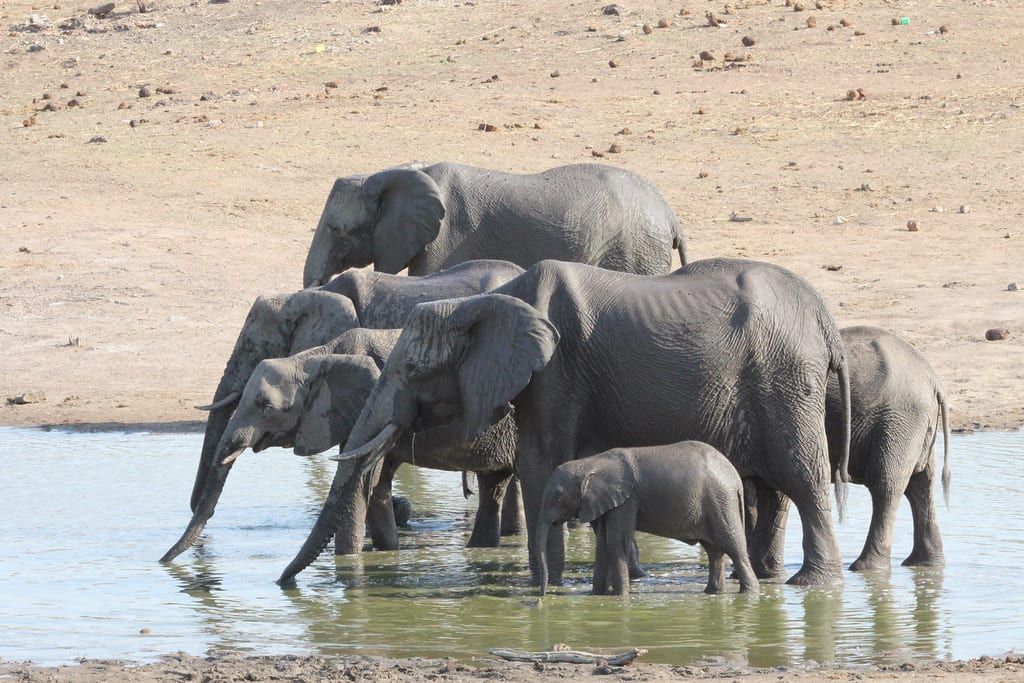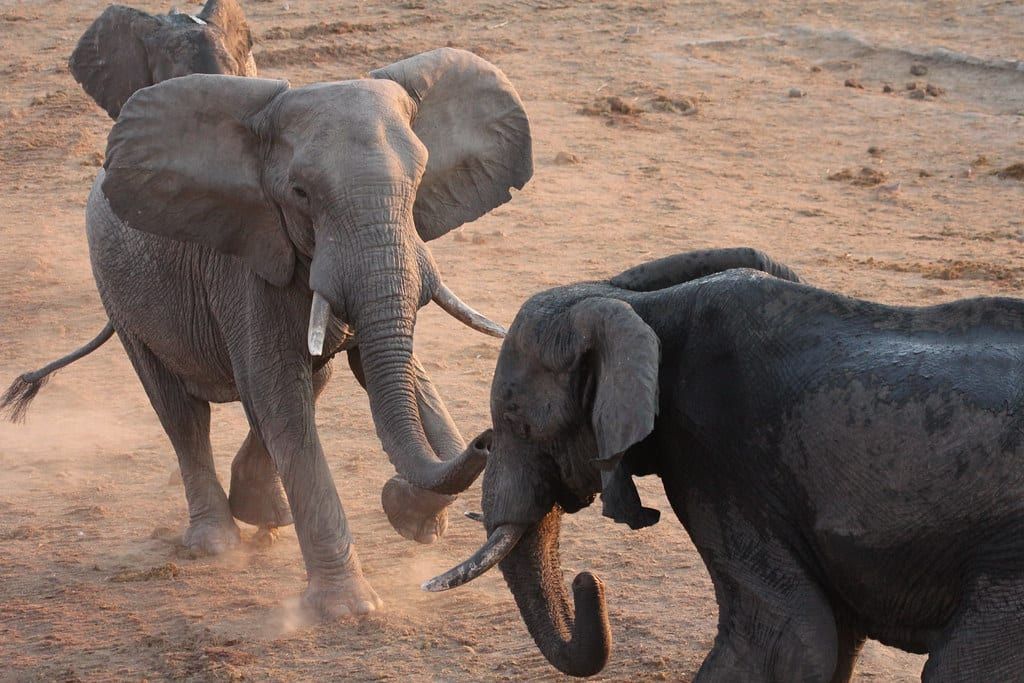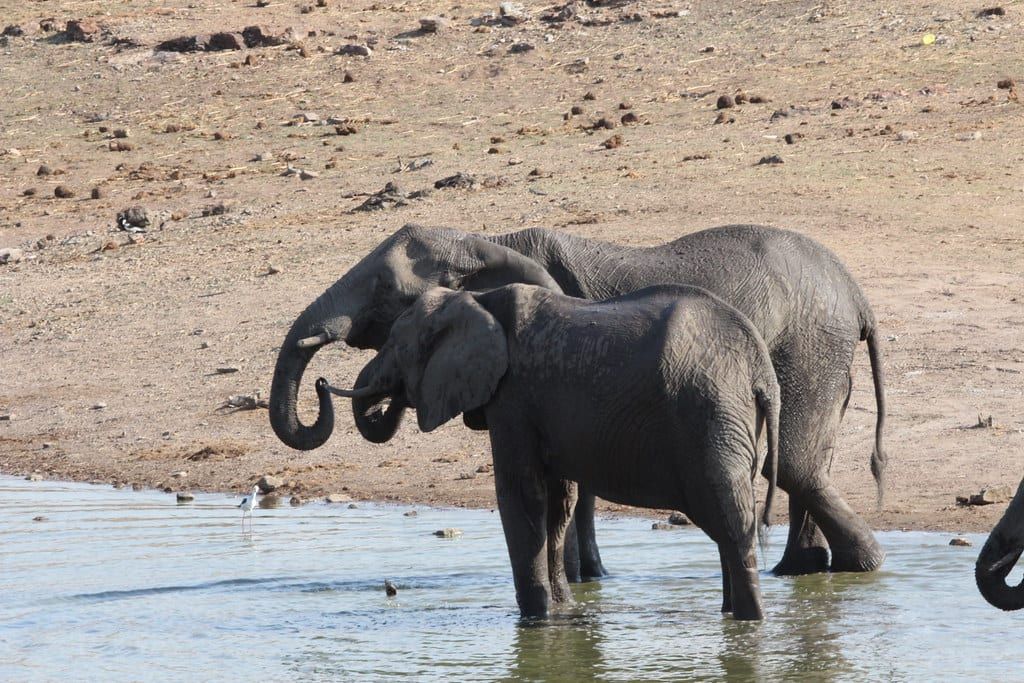
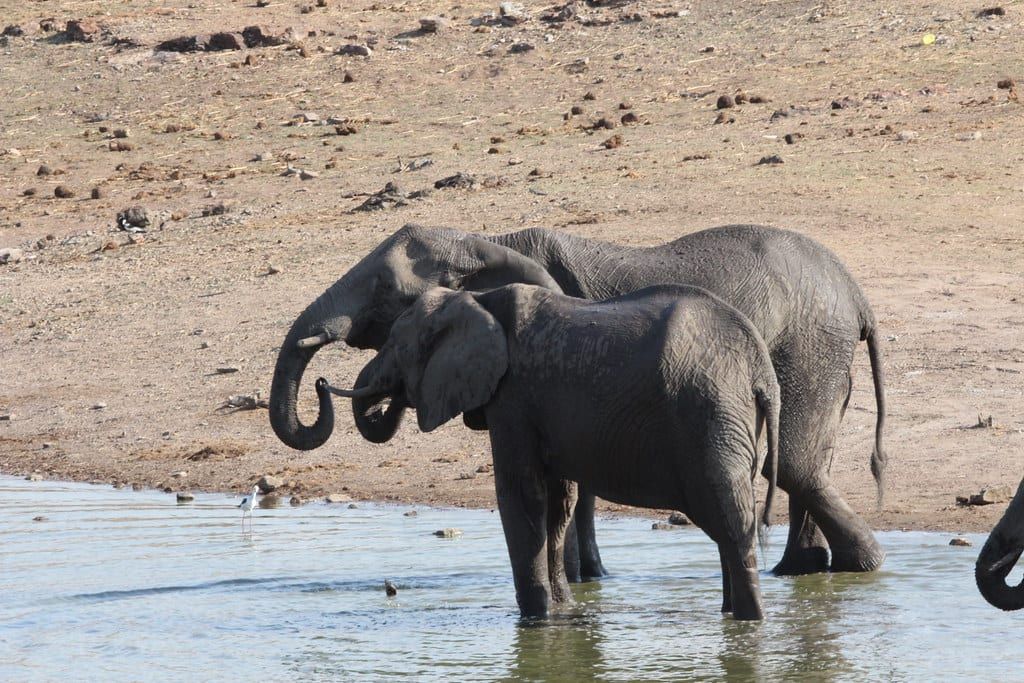
June to October. That's the short answer for Hwange — the dry season, when rain all but stops, the grass thins, and every animal in Zimbabwe's largest park has to drink at a waterhole. Within that window, July to October rates Excellent for game viewing in every month-by-month assessment, and September to October delivers the scenes the park is famous for: elephant herds 200 to 500 strong shuffling into the last pumped pans.
But the right month depends on what you're here for. October's elephant bonanza comes with 33°C heat and dust; January's empty roads come with flooded tracks and closed camps. This guide sorts the trade-offs — wildlife against price against crowds against birds — so you can pick your own best month.
At a Glance: When Should You Visit Hwange?
Most travellers should aim for July to October, and most of those should pick September. That's when the dry season has done its work: the bush is short, natural water is gone, and wildlife is anchored to the pumps. If elephants are the entire point of your trip, late September into October is the peak of the peak.
- Best overall wildlife: July–October.
- Elephants: September–October.
- Birding and newborn animals: November–April.
- Lowest prices: November–April.
- Fewest visitors: December–March (camps close).
- Family comfort: June.
Season pricing works like this: July to September is the top tier, and August to September are the busiest months in the park. June and November are the shoulder, with rates roughly 10–15% below peak. January to May is low season — the cheapest time to go, and the time when some lodges simply shut their doors until the rains pass.
Hwange's Two Seasons — and Why Timing Works Differently Here
Hwange has a dry winter from roughly May to October and a wet summer from November to April. Dry-season days average 20–29°C with around 6mm of rain across the whole stretch; wet-season days sit at 23–26°C with an average of about 44mm of rain per month. Standard savanna arithmetic says animals gather at water in the dry months and spread out when it rains.
Here's what makes Hwange different: the park sits on Kalahari sand and has no permanent rivers. Nothing survives a six-month dry season on natural water alone. So more than 60 artificial waterholes — fed by boreholes sunk up to 60 metres deep and kept running largely by solar pumps — hold the park's wildlife through the dry months. The Bhejane Trust alone operates 49 of those pumps, moving over a million litres of water a day, with as many as 16,000 elephants drinking from them in the harshest weeks. The pumps matter most from July to November, when every natural source has failed.
This is the mechanism behind every best-time claim you'll read about Hwange. Satellite-collared elephant families, tracked for an international migration study, visited the artificial waterholes roughly every other day through the dry season — then vanished when the rains arrived between October and December. Dry months mean predictable, concentrated game. The first proper storm flips that switch overnight. Up to 50,000 elephants, around a tenth of Africa's total, depend on this system each dry season.
For planning purposes, three water points stand above the rest: Mandavu Dam and Masuma Dam in the northwest, and Nyamandhlovu Pan with its raised viewing platform. Spend a dawn and a late afternoon at any of them in September and the game comes to you.
Month-by-Month Guide to Hwange
The two tables below fuse the numbers that matter each month — temperature, rain, game-viewing quality and crowd levels. Ratings follow the widely used SafariBookings scale, where July to October all score Excellent. Each month then gets a short entry on what's actually happening on the ground.
| Month | Daytime high | Rain | Game viewing | Crowds |
|---|---|---|---|---|
| May | ~25°C | Very little | Good | Quiet |
| June | ~23°C | Almost none | Good | Moderate |
| July | ~27°C | Near zero | Excellent | High |
| August | ~29°C | Almost none | Excellent | Peak |
| September | ~32°C | Almost none | Excellent | Peak |
| October | ~33°C | None | Excellent | High |
| Month | Daytime high | Rain | Game viewing | Crowds |
|---|---|---|---|---|
| November | ~31°C | ~65mm — first storms | Good | Moderate |
| December | ~29°C | Building | Fair | Low |
| January | ~26°C | ~110mm — wettest | Fair | Low |
| February | ~25°C | Heavy | Fair | Low |
| March | ~26°C | Heavy | Fair | Low |
| April | ~26°C | Easing | Good | Low |
May. The dry season begins. The bush is still thick but thinning fast, and waterholes start drawing regulars. Quiet, cool and underrated.
June. The coolest month, with highs around 23°C. Wild dogs are denning, pumps are running, and prices sit 10–15% below peak. The smart family choice.
July. Near-zero rain and an Excellent rating. Cold dawns, short grass, animals concentrated at water. Peak season in full swing.
August. The busiest month of the year — book far ahead. Nights drop to 4–6°C, and game viewing is superb at every pumped pan.
September. Heat climbs toward 32°C and water is scarce everywhere except the pumps. Herds in the hundreds gather daily, and predators know it.
October. The hottest, dustiest month — and the best for elephants, with herds of 200–500 arriving at waterholes together. If the rains break early, they scatter within days.
November. A genuine gamble: around 65mm of rain usually falls, but the timing varies year to year. Migrant birds arrive; the elephants may or may not still be massed.
December. The rains return and birding peaks with the full complement of migrants. Game viewing rates Fair, prices bottom out, and the roads empty.
January. The wettest month, with about 110mm of rain across roughly 10 rain days. Roads flood, some camps are shut, and game is scattered. You'll share the park with almost nobody.
February. Peak rains. The air is dust-free and clean for photography, and rates sit 30–50% below peak. You'll want a 4WD and a flexible attitude.
March. The last of the heavy rain. Camp closures are still in force and thick bush hides everything. Confirm what's actually open before you commit.
April. The transition month: landscapes still lush, visibility improving as grass dies back, rain tapering off. A good compromise if you want scenery with your game.
Dry Season (May–October): Peak Safari Time
From May the rain stops and Hwange dries out fast. By July the bush has thinned, natural water is gone, and wildlife is anchored to the pumped pans — which is why sightings here are so predictable in these months. Park yourself at Mandavu or Masuma dams, or on the raised platform at Nyamandhlovu Pan, and let the animals come to you.
June to August: Cool Days and Denning Dogs
Winter is Hwange's classic safari window. Days run 25–32°C from July, the grass is short, and elephants, buffalo and sable rotate through the waterholes on a near-timetable. It's also denning season for African wild dogs: Hwange holds one of Africa's largest populations — roughly 300 to 400 animals — and between June and August the packs stay close to their dens, which means repeated, extended sightings of adults and pups. August is the busiest month of the year, so expect company at Main Camp and the famous pans.
September and October: The Elephant Spectacle
As the heat builds toward 32–33°C, every drop of natural water disappears and the whole park funnels onto the pumps. This is when herds of 200 to 500 elephants arrive at a single waterhole together, drinking in shifts through the midday heat while lions and other predators wait at the edges. The collared-herd research explains the reliability: dry-season elephants drink at the artificial pans every other day, almost without fail. For a deeper look at where and how to find them, read our guide to Hwange's great elephant herds. The catch is that the whole show can end abruptly — the rains sometimes break in late October, and within days the herds have vanished into the bush.
The Trade-Offs Nobody Mentions
Dry-season Hwange is dusty, and by September the dust coats everything you own. Main Camp and the roadside pans get genuinely crowded in August and September. And the dawn drives are cold — really cold, in open vehicles at 4–6°C before the sun clears the treeline. None of this is a reason to skip the season; it's a reason to pack a fleece and book a camp away from Main Camp.
Green Season (November–April): Birding, Babies and Big Savings
The green season suits four kinds of traveller: birders, photographers, anyone on a budget, and repeat visitors who've already done the dry-season circuit. Rates drop 30–50% below peak, the roads empty out, and the park turns a colour the dry months never show. What you trade away is game density — the animals are all still here, just spread across 14,651 km² of thick, green bush instead of standing in line at a pump.
For birders, the payoff is the migrant influx. Southern carmine bee-eaters, European bee-eaters, steppe eagles, black kites, Abdim's storks, yellow wagtails and Amur falcons all arrive with the rains, swelling a resident list of nearly 400 species. Our Hwange bird watching guide covers the species, seasons and hotspots in detail.
December to February is baby season, and it changes the dynamics: newborn antelope everywhere means predators working hard, and hard-won kills are a regular sight. Photographers get the other bonus — the wet months wash the dust out of the air, so the light is cleaner and the horizons sharper than at any other time of year.
The catch is real, though. Some areas of the park become inaccessible between January and March as tracks flood or turn to gumbo, and many private camps and lodges close for those same months — check exactly what's open before you book, starting with our guide to where to stay in Hwange. A high-clearance 4WD is essential in the wet months, not a nice-to-have.
Two sweet spots stand out inside the season. November is a shoulder month — cheaper, quiet, and full of arriving migrants before the closures begin. February to April offers the best overall balance: lower prices, peak bird activity, heat you can work with, and improving road conditions as the rains taper.
Shoulder Months and When to Book
June is the shoulder month that costs you almost nothing. Highs sit around a comfortable 23°C, the pumps are running and the waterholes are busy, wild dogs are denning, and prices run 10–15% below the July–September peak. For families or anyone who wilts in heat, it's the best-value month in the park — book it as early as you would July.
November is the other shoulder, and it's more of a gamble. The first storms — around 65mm on average — usually arrive sometime in the month, but the timing swings year to year. Go early in the month and you may still catch massed elephants plus the first migrants; go late and the herds may already have dispersed. Some camps also wind down operations as the rains approach, so confirm opening dates before you build an itinerary.
- July–August peak: book 3–6 months ahead; early booking saves 15–20%.
- September–October: still prime, slightly cheaper and quieter than August.
- November–April: last-minute deals and availability are realistic.
Choosing within the dry season comes down to one question: comfort or spectacle? July and August give you cool mornings, classic conditions and the biggest crowds. Late September and October give you heat, dust and the full elephant show at lower rates than August. If it's your first safari and you want the reliable version, take July. If you've come for elephants and nothing else, take the gamble on October. Either way, it pays to compare Hwange safari tours early — the waterhole-front lodges fill first.
Timing Your Trip Around Health, Closures and Victoria Falls
Malaria is present in Hwange year-round, and the park sits in a medium-to-high risk zone. Risk climbs sharply during and just after the rains — roughly November to May — and drops in the dry season without ever reaching zero. Prophylaxis is worth discussing with a travel clinic whatever month you choose, and repellent plus long sleeves at dawn and dusk are standard practice here.
Closures and road conditions are the other moving parts. Many private lodges shut between December and March, and park roads become challenging or impassable in the same window, so anything you book for the wet months needs double-checking — including gate hours and entry fees, since day visitors must be out before the gates close and summer hours can shift.
The cold-morning point, once more, because people genuinely don't believe it: August nights hit 4–6°C, and you'll be sitting still in an open vehicle at dawn. A beanie, gloves and fleece take no space in your bag.
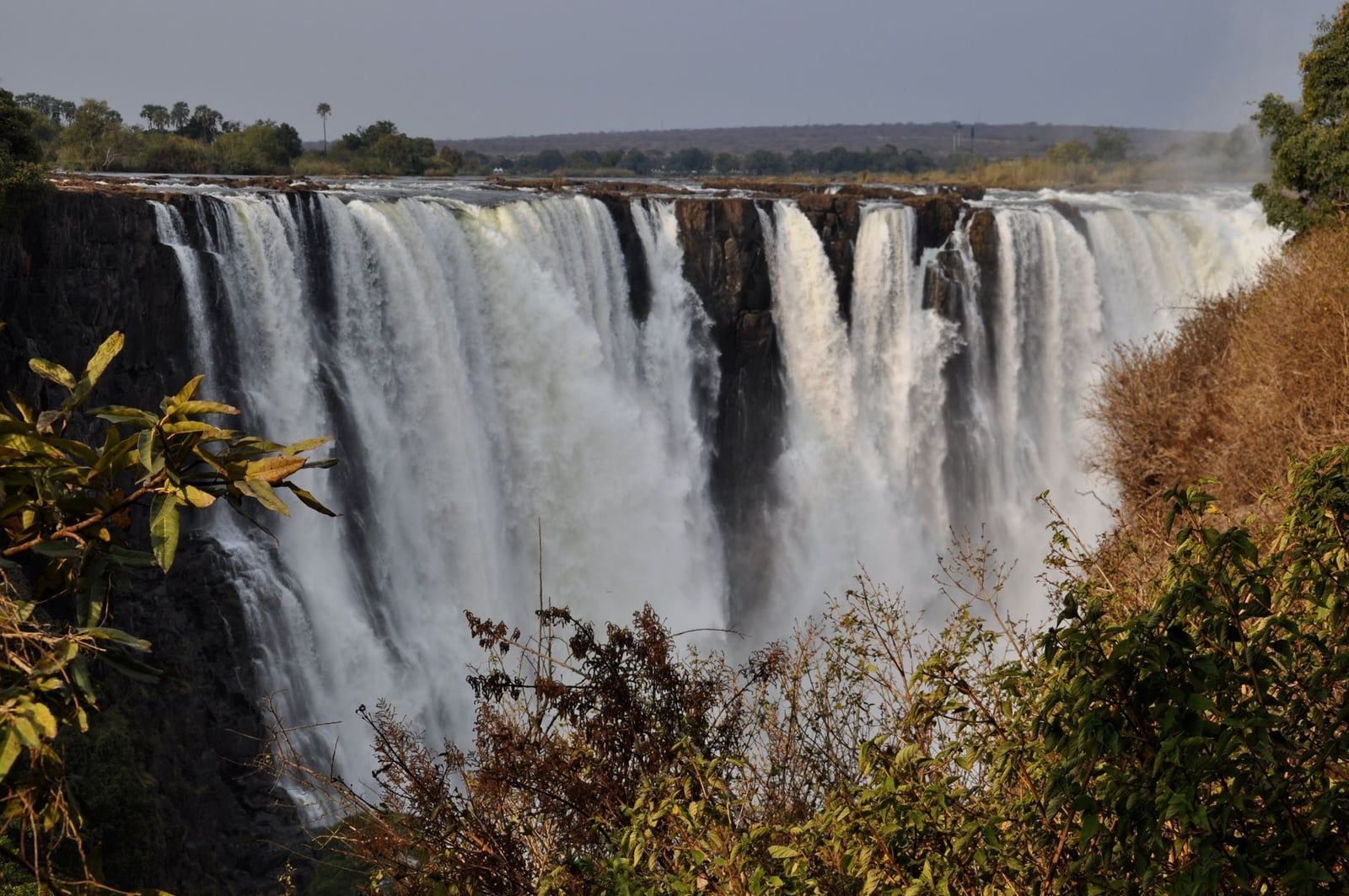
If you're pairing Hwange with Victoria Falls — and most visitors do — the calendars line up neatly. The falls are at their best between May and September, exactly Hwange's prime game-viewing window, and the two are about 200 km and three hours apart by road. A single dry-season trip covers both, and tours from Victoria Falls make the connection simple.
Frequently Asked Questions
What is the best month to visit Hwange National Park?
July to October is the consensus window, with all four months rating Excellent for game viewing. September and October add the biggest elephant gatherings; June is cooler, cheaper and quieter if you'd trade a little game density for comfort.
Is Hwange worth visiting in the green season?
Yes, if birds, photography or budget lead your list. Rates drop 30–50%, migrants like carmine bee-eaters and Amur falcons arrive, and newborn antelope are everywhere. The trade-off is dispersed game, thick bush, rough roads and camp closures from January to March.
When can I see the most elephants in Hwange?
September and October. Up to 50,000 elephants rely on Hwange's pumped waterholes through the dry season, drinking roughly every other day, and herds of 200–500 gather at single pans. Once the rains arrive between October and December, they scatter within days.
Do I need malaria tablets for Hwange?
Talk to a travel clinic before you go. Hwange is a medium-to-high malaria risk zone; risk peaks during and just after the rains, roughly November to May, and is lower but not zero in the dry season. Prophylaxis is commonly recommended year-round.
How far in advance should I book a Hwange safari?
Three to six months for the June–August peak, when lodges and waterhole-front sites fill first — early booking can save 15–20%. The green season, November to April, usually allows last-minute availability and discounts.
What is the cheapest time to visit Hwange?
The green season, November to April, when rates run 30–50% below peak. June and November are the cheaper shoulder months at roughly 10–15% below the July–September top tier.
Is Hwange a year-round destination?
Yes. The ZimParks camps at Main Camp, Sinamatella and Robins stay open all year; it's the private lodges that tend to close around December to March. Access isn't the issue — game-viewing quality is what changes by month.
When should I combine Hwange with Victoria Falls?
May to September. That's when the falls are at their best and it's also Hwange's prime dry season, so one trip covers both. The two are roughly 200 km and three hours apart by road.