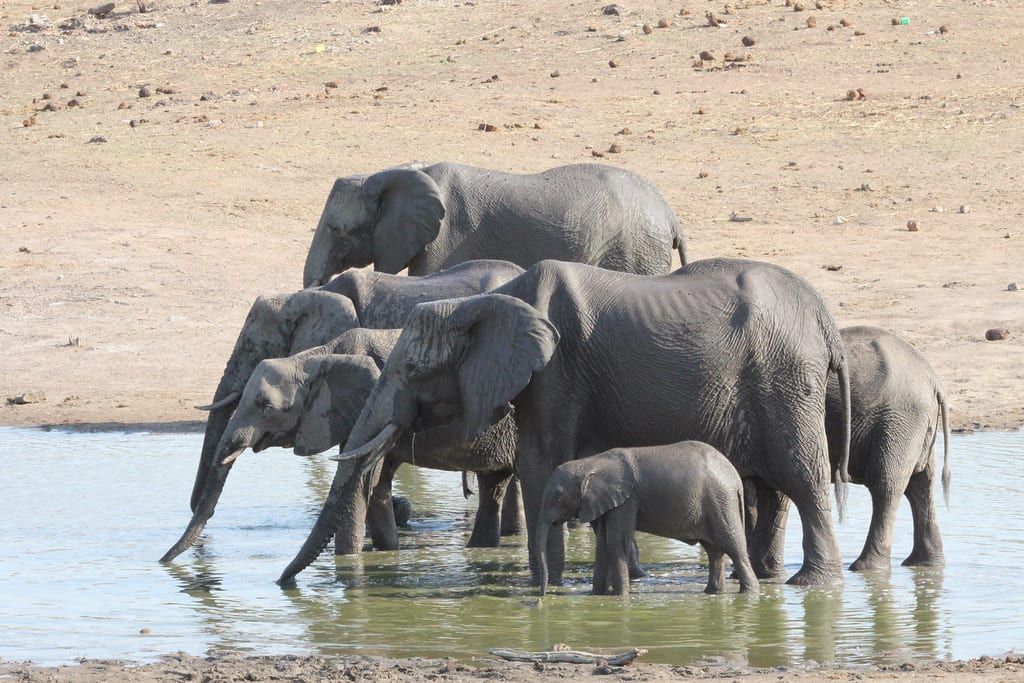
Hwange gives you more bed for your safari dollar than almost any park in Africa. Zimbabwe's largest protected area — 14,651 km² of teak woodland and Kalahari sand between Victoria Falls and Bulawayo — runs a genuine price ladder from a $23 ZimParks campsite to $803 per person at the most luxurious tented camp in the country. In between sit about 25 private lodges, a 200-room hotel, self-catering chalets, and platforms where you sleep above a waterhole while elephants drink below.
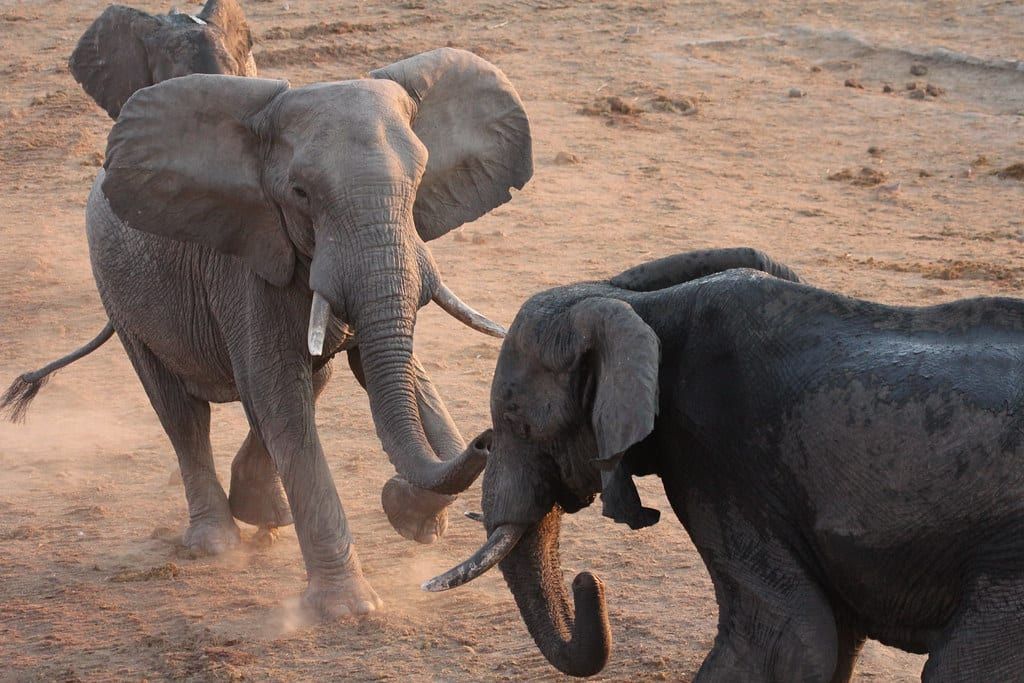
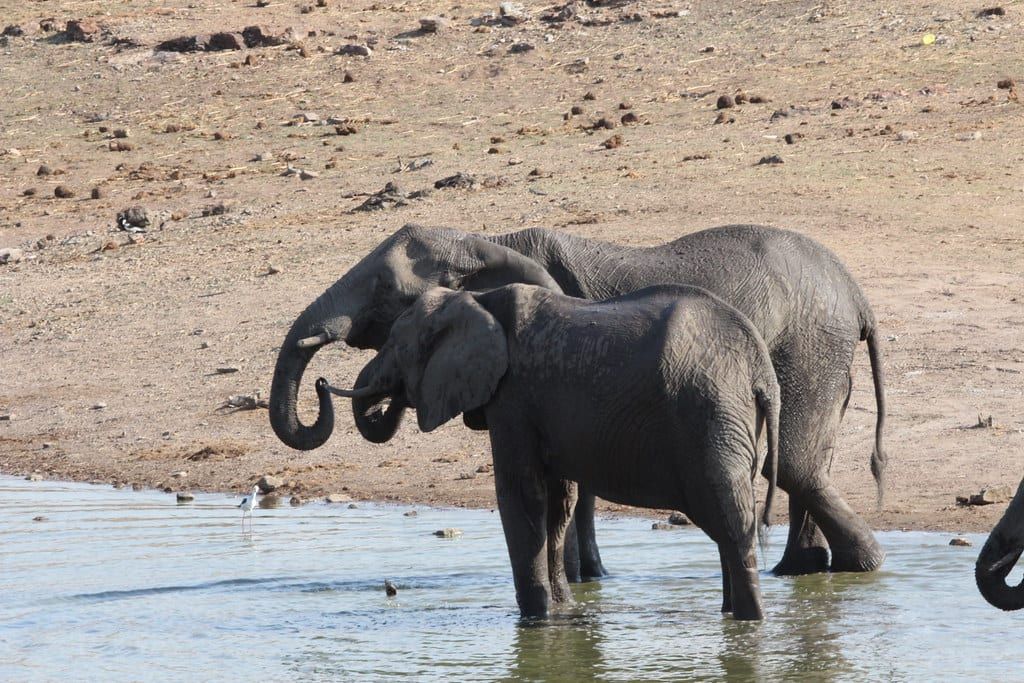
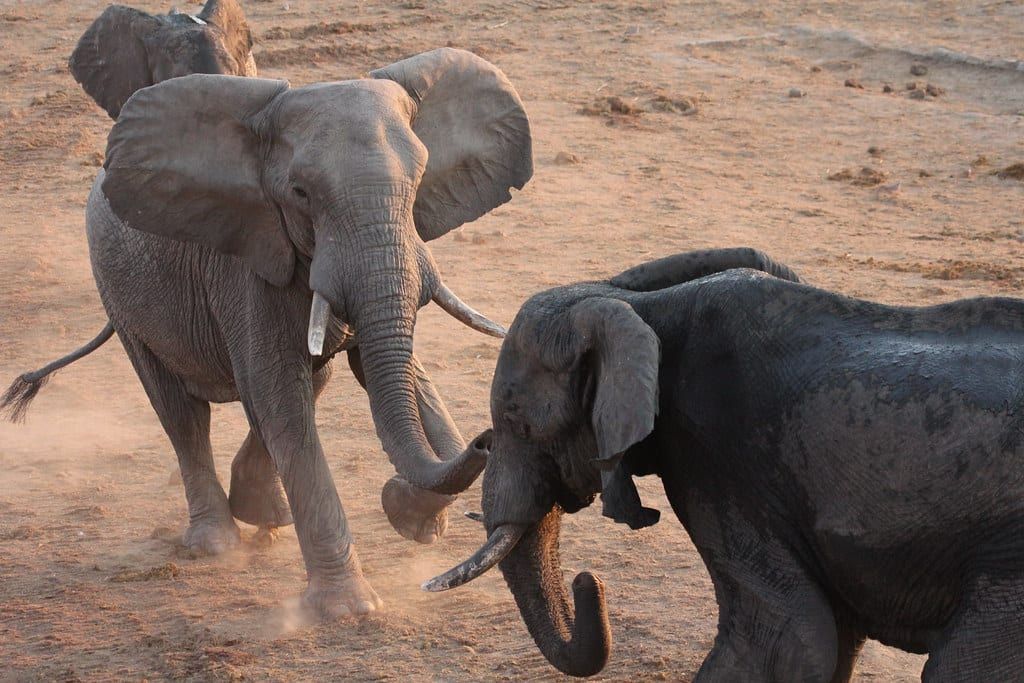
The park's elephant herds — up to 50,000 in the dry season, roughly a tenth of the continent's total — are the reason most camps sit where they do: on a pumped pan, facing the water. Pick your camp by waterhole, access and price band rather than by brochure prose, and you'll come out ahead. Here's the full picture, from camping to Linkwasha.
Hwange accommodation at a glance
Three tiers cover everything. At the top, tented camps in the $445–$803 range with guides, walks and star beds included. In the middle, comfortable camps around $300–$500 and the area's only real hotel. At the bottom, ZimParks-run chalets, lodges and campsites where you cook your own food and share waterholes with whoever turns up.
The table below is your shortlist machine. Prices are low-season 2026 rates per person per night sharing (pppns), quoted in US dollars; private-camp rates are fully inclusive of meals, drinks, activities and levies.
| Property | Area of park | From (pppns) | Best for |
|---|---|---|---|
| Linkwasha Camp | Southern concession (Ngamo Plains) | $803 | Top-end luxury |
| Little Makalolo | Southern concession | $715 | Couples, star beds |
| Somalisa Camp | Central concession | $630 | Elephant-pool viewing |
| The Hide | Eastern private concession | $467 | Floodlit waterhole, all-ages families |
| Hwange Safari Lodge | Boundary at Main Camp | $318 full board | Hotel comfort, tour groups |
| ZimParks Main Camp | Main Camp | $60–$135 self-catering | Budget and self-drive |
Every one of these gets the detail treatment below, along with a dozen more camps, the seasonal openings, and the 4x4 requirements that decide whether a camp is reachable at all.
Location matters more here than in most parks. Hwange stretches about 200 km from the Victoria Falls side to the Bulawayo side, so a camp in the far south can be 289 km by road from Victoria Falls while a lodge at Main Camp is a three-hour drive. Match the camp to your route or you'll spend your first day arriving.
How Hwange accommodation works: park camps, private concessions and boundary lodges
Before comparing camps you need the three-category model, because two identically priced properties can offer quite different experiences depending on which bucket they sit in.
ZimParks camps: the government-run stock
Main Camp, Sinamatella and Robins are run by the national parks authority. You get self-catering lodges, cottages, chalets and campsites at fixed tariffs, booked directly through ZimParks. Conditions are basic and you bring most of your own kit, but you sleep inside the park for a fraction of private-camp prices, and game drives are your own affair.
Private concessions inside the park
Operators such as Wilderness and African Bush Camps hold exclusive concessions — state land inside or immediately bordering the park where animals wander freely and only that operator's vehicles drive. This is where the restrictions that apply to everyone else fall away: night drives, off-road driving for sightings, and bush walks with armed, licensed guides (usually about three hours). You also get low vehicle density, since the traversing area isn't shared.
Boundary lodges on private land
A third group sits on private land hard against the park boundary, mostly in the east near the tar road — Ivory, Sable Valley, Iganyana and Hwange Safari Lodge among them. The game is the same herds, because nothing fences the animals out (the family-oriented camps are the fenced exceptions). What changes is logistics: easier tar-road access, shorter transfers from Victoria Falls or Hwange airport, self-drive friendliness, and usually a lower price than the deep-park equivalents.
Waterhole position: the real currency
In the dry season, Hwange's wildlife concentrates on pumped waterholes, so camp position is game-viewing strategy. The Hide overlooks a floodlit waterhole that stays productive after dark. Somalisa has a swimming pool that elephants treat as their own drinking spot. Camp Hwange's chalets ring a permanent waterhole, and Little Makalolo's raised pool deck sits over a busy pan. A camp on a good pan can outperform two extra hours of driving.
Want the fuller background on the park itself — history, wildlife and visitor practicalities — see our Hwange National Park guide.
Luxury safari camps and lodges (about $450 to $800+ per person sharing)
The top tier splits cleanly by geography. Prices below are low-season pppns; expect high-season rates to run meaningfully higher.
The southern concession: Linkwasha, Little Makalolo and Davison's
Wilderness holds the concession on the edge of the Ngamo Plains, and Linkwasha ($803, nine tents) is Hwange's most luxurious camp — the one travellers book when the camp is the point of the trip. Little Makalolo ($715) is smaller and more intimate, a six-tent camp whose star bed lets you sleep outside under the Kalahari sky. Davison's ($586, eight tents plus a family unit) is the value play in the same concession: same traversing, same plains game, about $130 less per night than Little Makalolo.
The Somalisa trio (African Bush Camps)
Somalisa Camp ($630, seven tents) is the flagship, best known for the elephant-front swimming pool where herds drink while guests lunch a few metres away. Somalisa Acacia next door is the family specialist, running the Ngwana Kids Club. Somalisa Expeditions, from $490 in six solar-powered Meru-style tents, is the pick for couples and honeymooners who want the concession without the flagship price.
The Hide cluster
The Hide ($467, ten East African-style tents) sits on a private concession with that floodlit waterhole out front and a consistent record of being voted among Zimbabwe's best lodges. For families, the Private Hide takes children of all ages and comes with a private vehicle, guide and plunge pool; Tom's Little Hide ($562) is the small-group version. At these prices The Hide is the entry point to the luxury tier.
Northern and central camps
Deteema Springs ($604) perches on a rocky outcrop above springs that pull in wild dogs — one of Africa's largest surviving populations lives here. Camp Hwange ($550) puts its waterhole-front chalets around a walking-safari programme. Nehimba ($495) sits in central park with some of the highest elephant densities in Hwange. Hwange Bush Camp is a seasonal walking camp at its best from late July to October.
The south-east: Imvelo's Camelthorn, Bomani and the deep south
Camelthorn ($500, eight forest villas) is the only camp with an underground hide — you sit at eye level with elephants' feet. Its sister Bomani Tented Lodge ($445) sits on a 5,000-acre reserve by the Ngamo Forest and can be reached on the Elephant Express, a rail service running on the old line from Dete. Verney's (from $683) has eight eco-luxury tents and two family units in remote teak forest; Muddy Teak ($676) is exclusive-use with a four-guest minimum, open May–November.
If you'd rather have someone else assemble the whole stay, Hwange safari tours bundle these camps into fixed itineraries with transfers included.
Does the operator matter?
Somewhat. African Bush Camps channels revenue through its Foundation into local schools and conservation; Imvelo runs community projects around its southern camps, including water provision for villages. It doesn't change the game viewing, but if your money's working harder matters to you, it's a real differentiator between otherwise similar tents.
Mid-range and good-value camps (about $300–$500 per person sharing)
This is the band nobody's listicle covers, and it suits self-drivers, families and first-timers pairing Hwange with Victoria Falls best of all.
Hwange Safari Lodge: the hotel option
At $318 full board, this is the only large hotel in the area — a 200-guest, three-star property on its own concession at the park boundary near Main Camp, refurbished in 2024. A waterhole sits in front of the building, so you watch game from the terrace. It's the right choice for tour groups and travellers who want a swimming pool, a restaurant and a locked room rather than canvas; it's the wrong choice if you're after intimacy or guiding.
Robins Camp: lions in the north
Privately managed now, Robins charges about $300 full board with activities included — the cheapest fully serviced stay around Hwange. Its 36 chalets and 25 securely fenced campsites sit in the north, where lion densities are the park's highest, roughly two hours from Victoria Falls. Bring patience for the roads.
The Dete Vlei cluster
Iganyana Tented Camp ($400) has 15 air-conditioned tents minutes from Hwange airport and the Main Camp gate — hard to beat for a short, easy stay. Camp Silwane ($350 full board) runs seven tented suites with a star-bed platform plus seven campsites, and takes children of all ages. Sable Valley, reopened in late 2022, offers thatched rondavels on Dete Vlei and is one of the best self-drive bases in the east.
Ivory Lodge and Khulu Bush Camp
Ivory ($494) has fenced, treehouse-style rooms reached off the tar road — a genuinely easy stop for families with younger kids. Khulu Bush Camp sits on the same fenced concession with a similar brief: security first, game second, both delivered.
Status check
Elephants Eye, 13 km outside the park, is listed as temporarily closed — don't build an itinerary around it until it reopens. Rates and openings shift often enough that it's worth confirming any camp's status when you book.
Budget and self-catering: ZimParks camps and Kapula (from $23)
This is the only genuine budget route into Hwange, and it's honest work: real tariffs, real conditions, and a daily-fee bonus that most visitors never notice.
Main Camp: rates and facilities
A camping or caravan pitch costs $23 per night for up to three people, $23 per extra person. One-bedroom chalets run $60 (two-bed $70); self-catering lodges $90 one-bed and $135 two-bed. On site you get the Waterbuck's Head restaurant, a small shop and a petrol station — the last of the three should not be relied on. Book at book.zimparks.org.zw, email [email protected], or phone +263 8677707627; the Hwange regional office is +263 779 559 236.
Sinamatella and Robins: the northern bases
Sinamatella, a former cattle ranch about 120 km from Main Camp, has lodges at $90 one-bed and $190 for the renovated two-bed. Robins is 156 km away in the far north-west. Both have the same self-catering stock and the same caveats, plus curfews: vehicles may not travel between Main Camp and Sinamatella after 2pm, and through traffic towards Robins must be out by midday. Plan arrivals accordingly.
Exclusive sites and waterhole platforms
The best-value secret in Zimbabwean safaris: book an entire picnic site for your group. Shumba, Ngweshla, Masuma, Deteema, Kennedy 1 and Mandavu cost $235 per site per night for up to six people — $39 each for a full group — and several sit on the park's best waterholes. Cheaper still are the Guvalala and Makwa viewing platforms at $60 per person, where you sleep above the water while game comes in to drink. Camping is also permitted at these sites and at Kapula, Mandavu Dam, Masuma and Jambile.
Kapula: the sweet spot
At $73 pppns self-catering, Kapula splits the difference between a campsite and a lodge: four tents each at South and North Camp plus a platform, sleeping 22 in total, near Masuma Dam in prime game country. You'll want a high-clearance vehicle, preferably 4x4. If you outgrow the budget tier but still want exclusivity, private exclusive-use camps include Bumbusi Wilderness Camp and Nantwich Lodge from $445 and the very remote Deka Plains from $625 (4x4 only, closed in the rainy season).
The fee arithmetic nobody mentions
International visitors pay $12 per person per day when sleeping inside the park versus $24 for a day visit. Two people staying three nights inside pay $72 in conservation fees instead of $144 — the fee saving alone covers a night of camping with change.
How to choose where to stay in Hwange
Match the camp to your party and your arrival plan, and the shortlist makes itself.
Families
The Private Hide takes children of all ages with a private vehicle and guide. Somalisa Acacia runs the Ngwana Kids Club. Ivory Lodge's fenced concession is the stress-free option with younger kids, and Camp Silwane is also open to all ages. At ZimParks level, Robins has family chalets and those securely fenced campsites. Note that minimum-age policies and private-vehicle requirements vary by camp — confirm at booking.
Couples and honeymooners
Little Makalolo's star bed and Linkwasha's star-bed suite are the romantic set-pieces. Somalisa Expeditions is the affordable honeymoon pick; Jozibanini, with no wifi or mains electricity, is the unplug option. Daka Plains, with eight rooms in the deep south, is arguably the park's most remote camp.
Walkers and photographers
Camp Hwange pairs a log hide with its walking focus; Camelthorn's underground hide puts you at ground level with the herds; Bomani runs hides on its concession. If you'd rather track on foot than ride, Hwange Bush Camp in the late dry season is the specialist's choice.
Self-drivers and Victoria Falls combinations
Lodges near the tar road — Iganyana, Ivory, Sable Valley, Hwange Safari Lodge — suit self-drive and short transfers from Victoria Falls or Hwange airport. The deep-park camps (Davison's, Little Makalolo, Linkwasha) generally need an air charter or a 4–5-hour road transfer, and 4x4 self-drive only. Seasonal gates apply: Muddy Teak opens May–November, Deka Camp closes in the rains, and Kapula's access means high clearance year-round.
Short on time? Tours from Victoria Falls handle the Hwange leg in one or two overnights without you planning a thing, and our best time to visit guide covers the seasonal trade-offs in detail.
Getting there, park fees and booking tips
Road transfers from Victoria Falls take 2–5 hours depending on the camp; Hwange airport sits 45 km from The Hide and minutes from Hwange Safari Lodge and Ivory. Charters fly from Victoria Falls to camp airstrips in 25 minutes to two hours — landing at Main Camp's strip requires prior permission. From Bulawayo it's about 306 km, four hours, or the overnight sleeper train on Fridays (around $8 economy, arriving Dete near 4am) if you're travelling cheap. The full route detail is in our directions guide.
On top of accommodation you'll pay daily conservation fees, in US dollars, cash:
| Visitor category | Staying inside park | Day visit |
|---|---|---|
| International | $12 / person / day | $24 / person / day |
| SADC resident | $10 | $18 |
| Zimbabwe resident | $3 | $5 |
| Foreign-registered vehicle | $3 / day | $10 / day |
Book ZimParks stock through the portal above; private camps book directly or through agents, and both quote per person sharing in US dollars with single supplements applying. For May–October — peak dry season, best game viewing July to October — book months ahead; the waterhole-front sites like Masuma and Ngweshla go first. Green-season rates drop sharply if you can trade a little mud for a lot of saving. Current gate hours and fee details are on our hours and fees page, and the broader Hwange National Park tours hub lists stays bundled with guiding and transfers.
Frequently asked questions
How much does it cost to stay in Hwange National Park?
Private camps run roughly $300–$820 per person per night sharing, fully inclusive — Robins about $300, Bomani $445, The Hide $467, Somalisa $630, Linkwasha $803 low season. ZimParks stock is far cheaper: camping $23 per pitch (up to 3 people), Main Camp chalets $60–$70, lodges $90–$135. Park entry adds $12 per person per day when you sleep inside.
Can you stay inside Hwange on a budget?
Yes. ZimParks self-catering chalets and lodges at Main Camp cost $60–$135 per night, camping is $23 per pitch for up to three people, exclusive sites like Ngweshla run $235 for the whole site, and Kapula's self-catering tents are $73 pppns. Conditions are basic — bring your own kit — and sleeping inside halves your daily entry fee to $12.
Which Hwange camps are best for families?
The Private Hide (children of all ages, private vehicle and guide), Somalisa Acacia (Ngwana Kids Club), Ivory Lodge (fenced concession), Camp Silwane (all ages) and Robins Camp (family chalets plus secure fenced campsites). Always confirm minimum-age and private-vehicle rules when booking.
Is it better to stay inside Hwange or just outside the park?
Boundary concessions offer the same free-roaming game plus night drives and easier access from Victoria Falls, usually at lower prices. In-park camps give a wilder, lower-traffic stay but longer transfers, and ZimParks camps are the budget route. Sleeping inside also halves the daily park fee for international visitors.
How do you get to Hwange camps from Victoria Falls?
Road transfers take 2–5 hours depending on the camp; charter flights run 25 minutes to 2 hours to camp airstrips, with Hwange National Park airport near Main Camp. Self-drive is possible to most camps in a high-clearance vehicle; some camps need 4x4, and a 4x4 is recommended in the green season.
When should I book Hwange accommodation?
Peak dry season (May–October, with the best viewing July–October) books out many months ahead, and the waterhole-front sites go first. Green season brings lower rates. Some camps are seasonal: Muddy Teak opens May–November, Hwange Bush Camp is best late July–October, and Deka Camp closes in the rains.
What's included in Hwange lodge rates?
Most private camps quote fully inclusive rates per person per night sharing in US dollars — accommodation, meals, drinks and game activities, with single supplements applying. ZimParks rates are per unit or per site and self-catering. All 2026 prices in this article follow those conventions.
Are night drives and walking safaris available in Hwange?
Night drives are only permitted in private concessions, never inside the national park. Walking safaris with a licensed professional guide (usually about 3 hours) run from most camps, and public hides such as Nyamandhlovu are free to use during the day.