Choose from four full-day safaris into Hwange National Park, all departing from Victoria Falls hotels with pickup, lunch, and a professional guide included. Prices range from $270 to $471.43, and every tour offers a full refund if you cancel at least 24 hours in advance.
 Free Cancellation
Full-day jeep safari from Victoria Falls to Hwange with 6:30am pickup, park lunch, and 4:30pm return.
 Free Cancellation
Full-day (8h) game drive in Hwange, picked up from Victoria Falls hotels at 05:30, lunch and drinks included.
 Free Cancellation
9-hour day trip from Victoria Falls with morning and afternoon game drives and lunch inside the park.
 Free Cancellation
12-hour game drive day trip from Victoria Falls to Hwange, with hotel pickup and a driver-guide.
Read what travelers share about their experience visiting Hwange National Park — from practical tips to personal highlights.
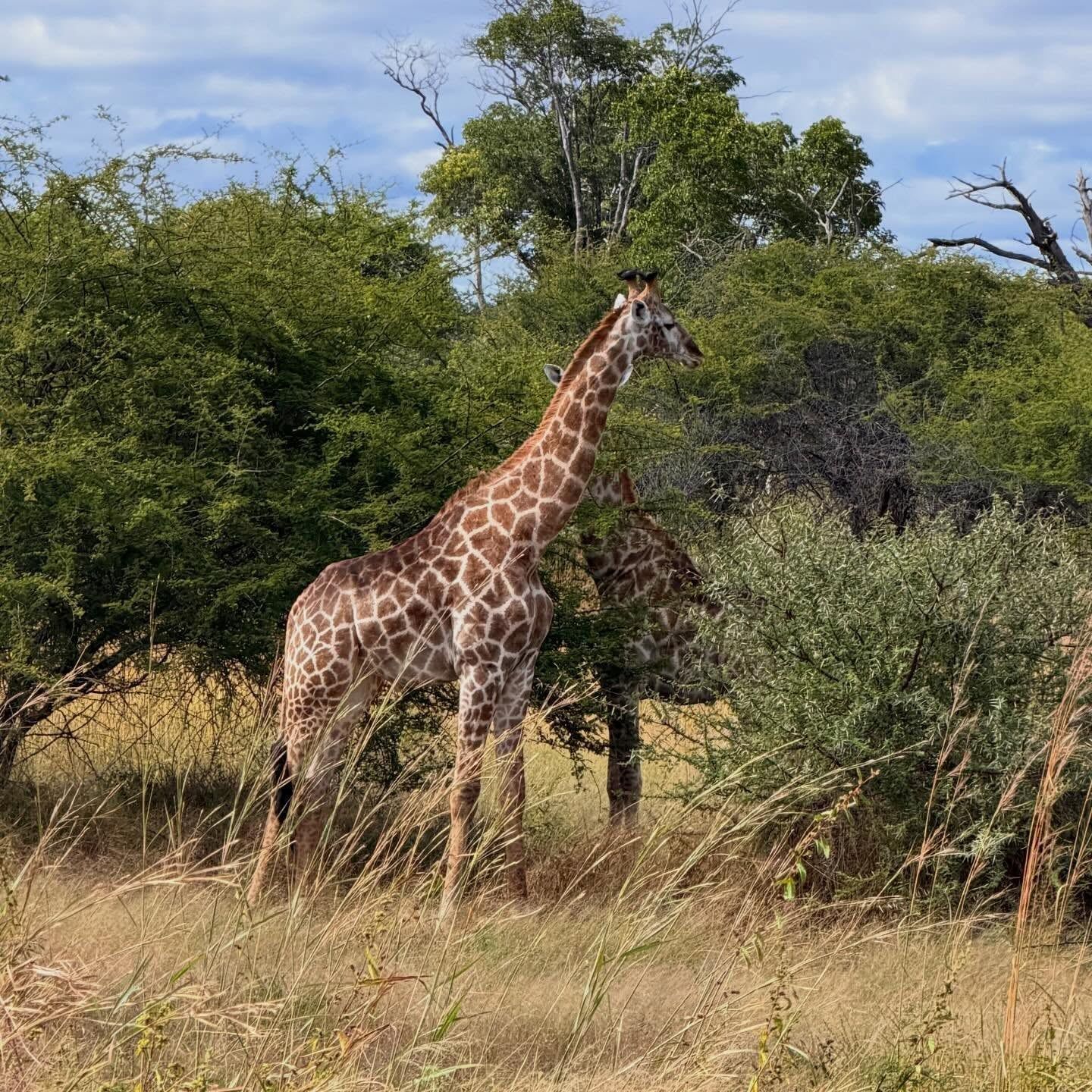
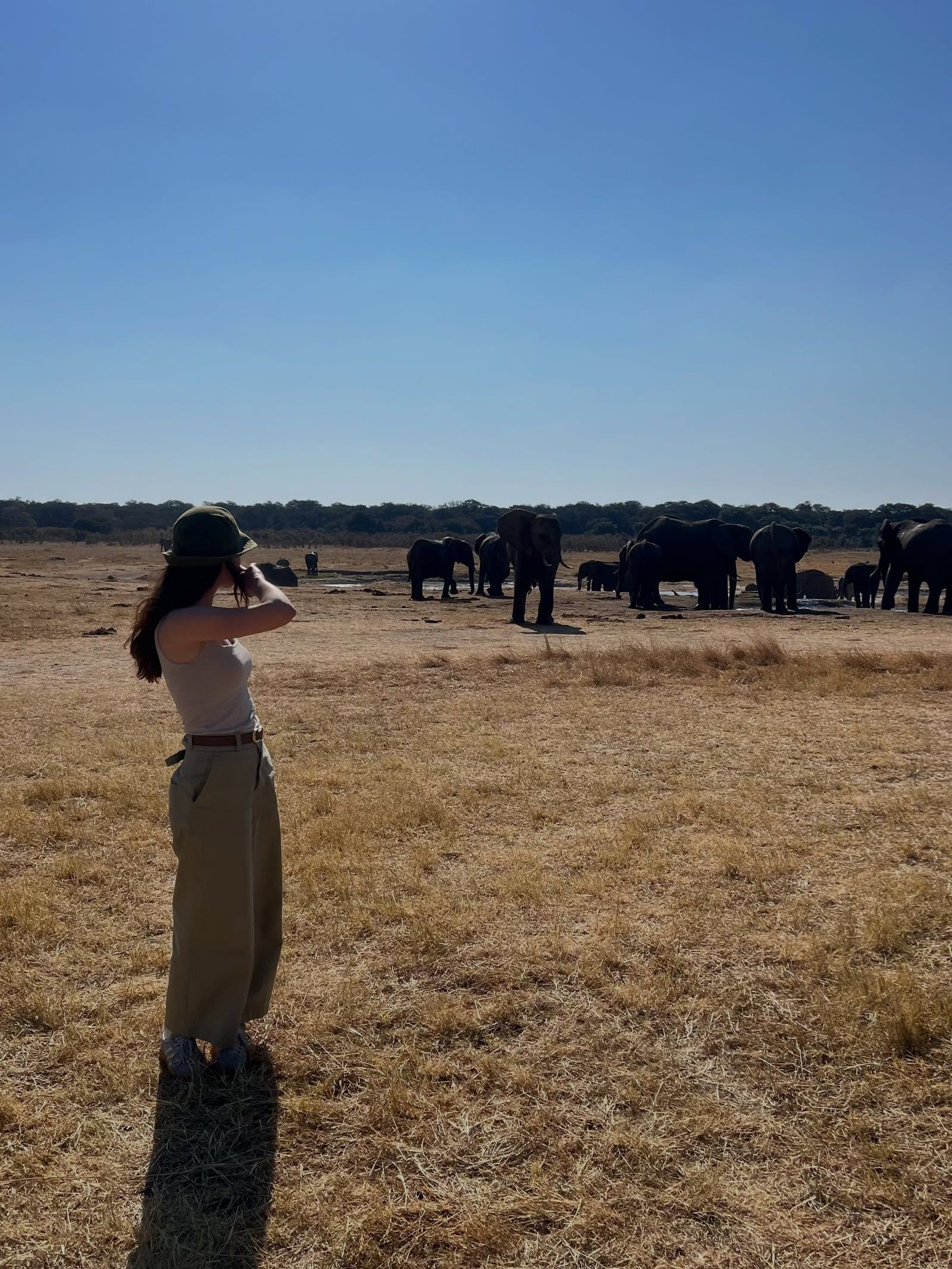
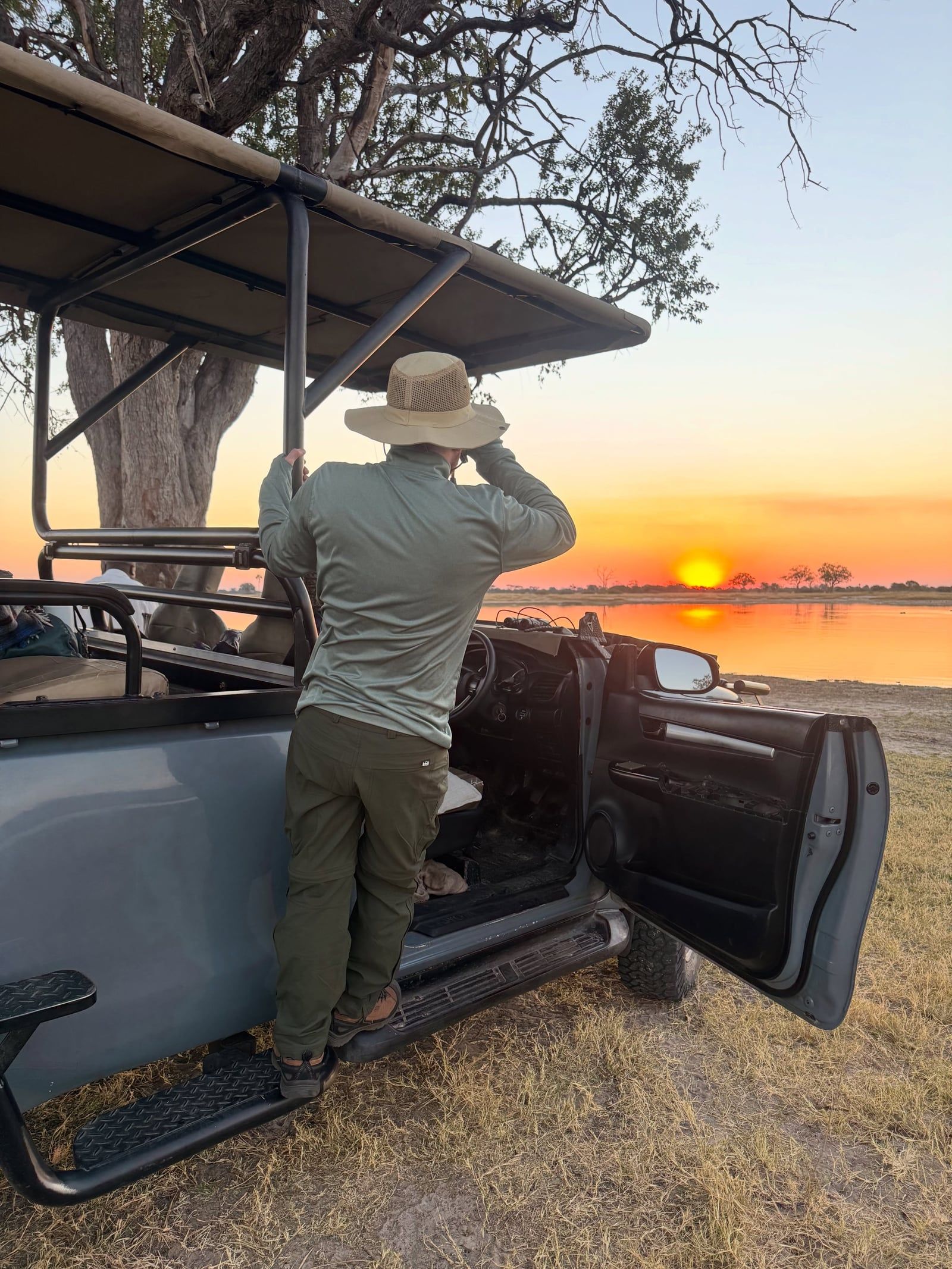
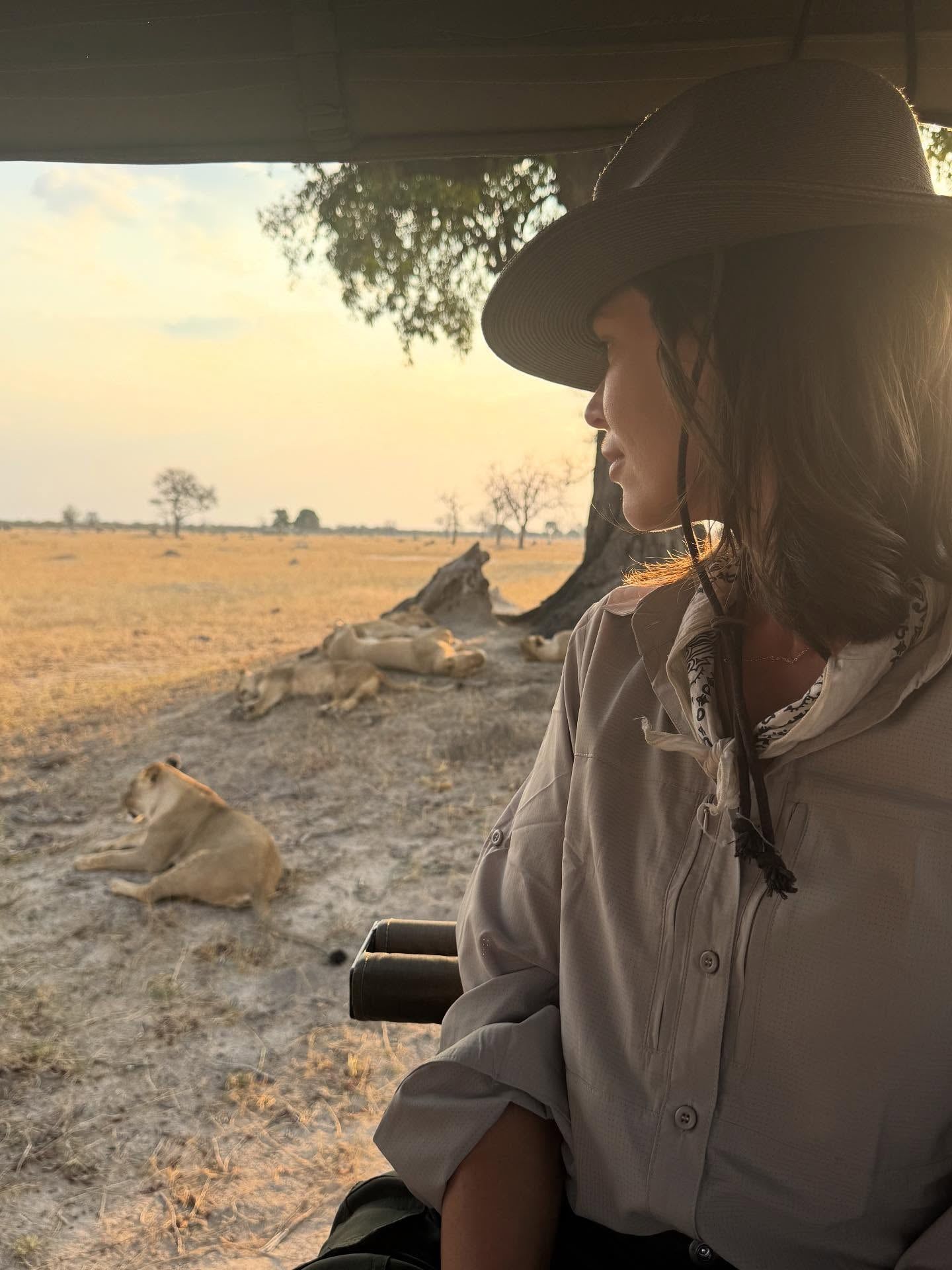
Most tours on this page are full-day safaris out of Victoria Falls: a pickup between 05:30 and 06:30, about three hours on tar to the park gate, then morning and afternoon game drives built around Hwange's pumped waterholes. You'll eat lunch inside the park and spend the quiet midday hours at a hide while animals come to you. Days run 8-12 hours door to door, so the early start is non-negotiable.
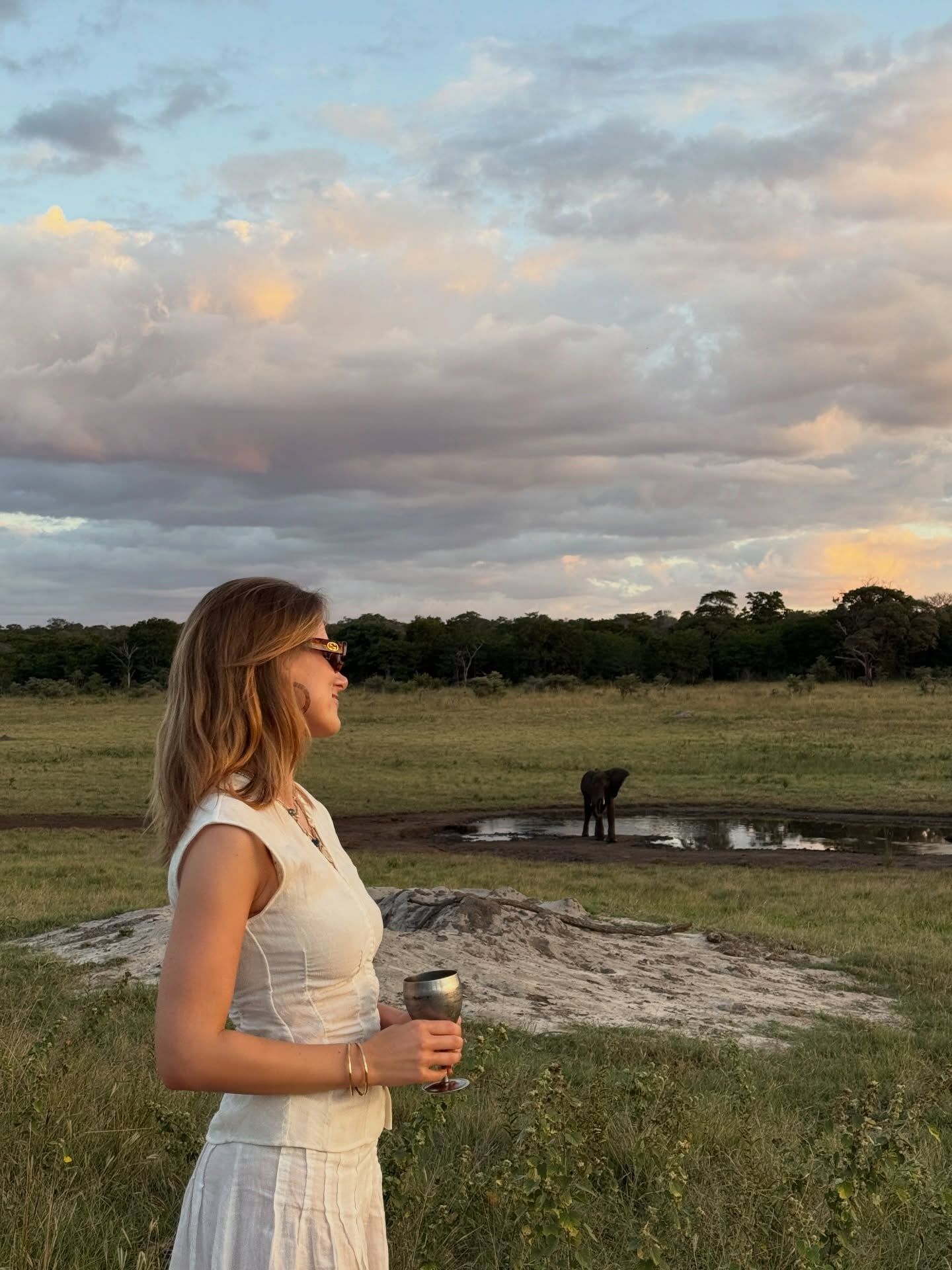
Between July and October, up to 50,000 elephants — roughly 10% of Africa's total — crowd onto Hwange's pumped pans. In September and October, several hundred can drink at a single waterhole in the midday heat. Guides know which pans are busiest that week.
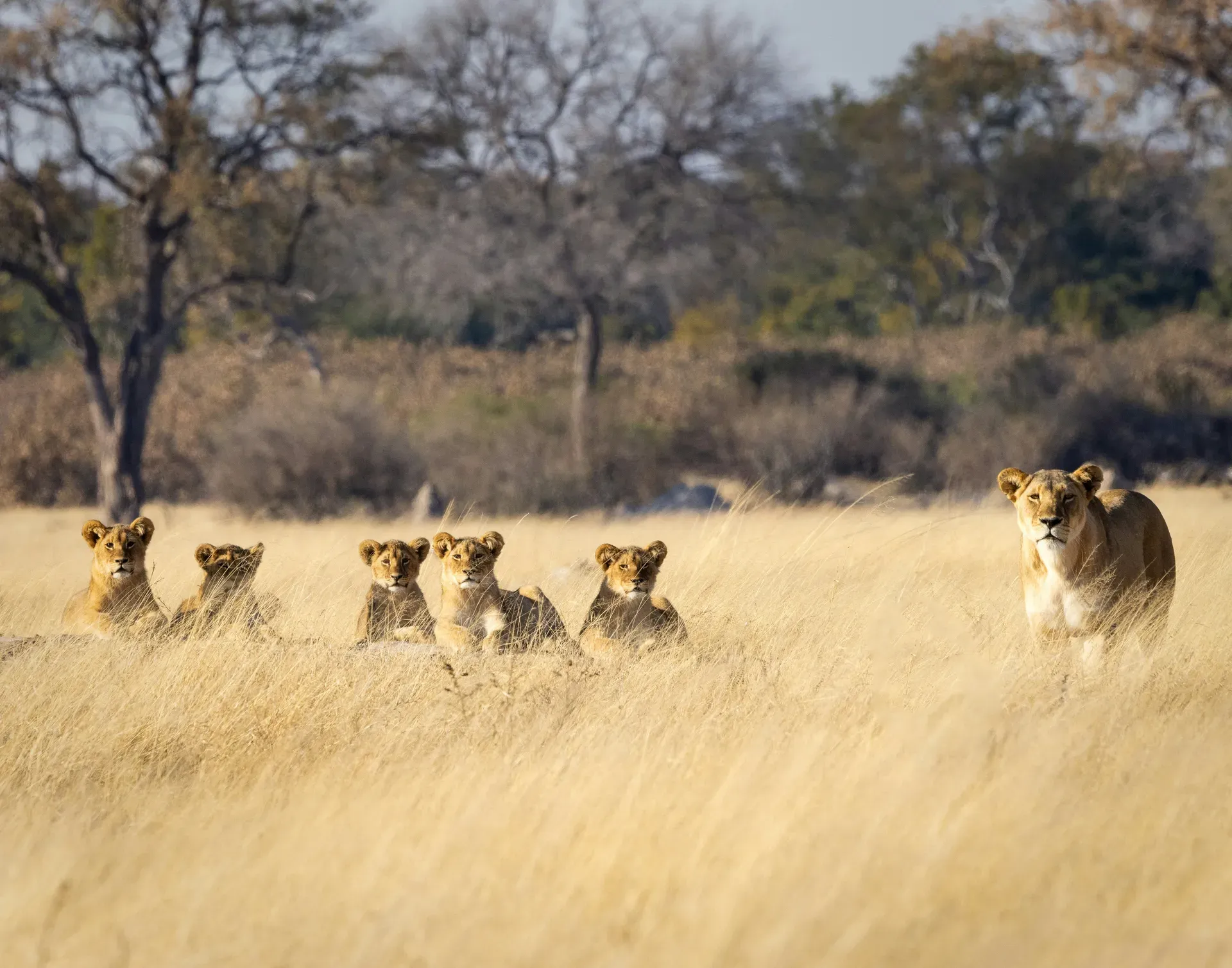
Dry-season grass opens the view, and Hwange's prides run big — the local coalition includes groups of up to 20 lions. Leopard, cheetah, spotted hyena and black-backed jackal also show up on drives. Sightings are never guaranteed, but your odds improve every month the bush thins.
Hwange holds one of Africa's largest African wild dog populations, and denning season from June to August is when you're most likely to find a pack. Miss them on drive and the Painted Dog Conservation Centre near Dete gives you a close-up anyway.
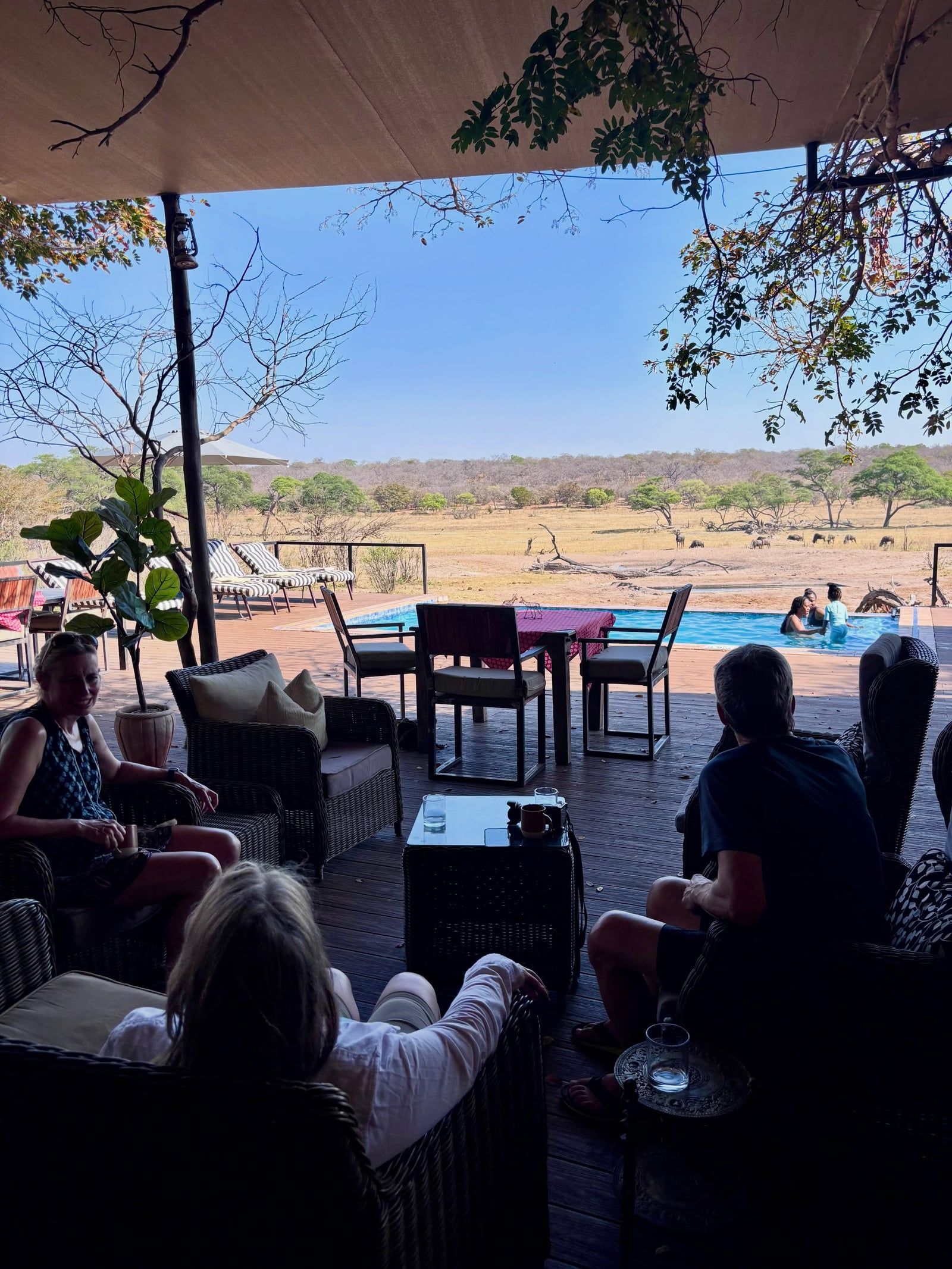
The thatched hide at Masuma Dam and the platforms at Nyamandhlovu Pan let you wait at water level while elephant, buffalo and sable come down to drink. Dawn and late afternoon are the sessions that matter. Midday, this is where you park yourself.
Raptors and Kalahari-species birds at the eastern edge of their range make Hwange a birder's park, with close to 500 species recorded. November to March adds the migrants in breeding plumage. Bring binoculars even if birds aren't your thing — the raptors overhead are constant.
Expect roughly 11-12 hours inside the park on the longer tours, with a professional guide, lunch and bottled water included. The trade-off is the drive: nearly 200 km each way from Victoria Falls, so you'll be back at your hotel after dark, tired and dusty.
Four things shape a Hwange booking: the park fees you'll pay in cash at the gate, the season, the length of the day, and how much of the park you actually reach. Here's what to sort out first.
Everything listed here is a guided, English-language tour out of Victoria Falls, either in an open game-drive vehicle or an air-conditioned minivan. Day trips run US$270-471 per person. If you want the dawn and dusk game-viewing hours that day trips miss, overnight packages run US$200-300 per person per day for camping or basic lodges, and US$500-600+ at upmarket camps.
August and September are the busiest months in the park, and June-October is peak season overall, so book day tours and lodges several months ahead. Some tours require a minimum of two people per booking. June and November are the quieter, cheaper shoulders if your dates flex.
Most tours exclude the ZimParks conservation fee, payable in cash at the entrance gate: US$24 per international day visitor (US$12 if you're staying accommodated inside). Foreign-registered vehicles pay US$10 per day. Budget for this on top of the tour price, and bring the cash.
All four listed tours include hotel pickup and drop-off, lunch and bottled water; several add soft drinks, tea and coffee. Breakfast is generally not included despite the pre-dawn pickup, so eat before you go or bring something. Vegetarian meals are available on request at booking.
Three of the four tours are listed as wheelchair accessible, with accessible transportation and surfaces, since game viewing happens from the vehicle. Inside the park, The Hide lodge has ramps, compacted pathways and staff assistance. One tour advises against travel if pregnant or with cardiovascular problems — check before booking.
All four tours give a full refund if you cancel at least 24 hours before departure. That's a tight window for a weather call, but Hwange game viewing rarely gets rained out — the bigger risk is booking the wet season (November-March) when animals disperse and roads flood.
Victoria Falls itself is 200 km from Main Camp and pairs naturally with Hwange in a 3-5 day trip. The Painted Dog Conservation Centre sits just off the A8 near Dete, a few kilometres from the Main Camp gate, and some itineraries can swing past it. Chobe in Botswana is about an hour beyond Victoria Falls town if you want a river safari too.
Winter mornings on open vehicles are cold — nights hit 4-6°C in August — so pack a fleece, beanie and gloves even for a Zimbabwe trip. By October daytime temperatures push past 30°C. Hwange is a malaria zone year-round (risk peaks November-March): use repellent, cover up at dawn and dusk, and ask a travel clinic about prophylaxis.
Swipe to see more
| Budget Day Trip (jeep) | Full-Day Game Drive Safari | Premium Full-Day Trip | Minivan Full-Day Tour | |
|---|---|---|---|---|
| Price from | US$270 | US$400 | US$471.43 | US$275 |
| Duration | 24h listing; ~11 hours in park | 8 hours | 9 hours | 12 hours |
| Best for | Value hunters who want maximum hours among the animals | Serious wildlife watchers wanting a dedicated game-drive vehicle | Small groups who want both morning and afternoon drives with drinks included | Families and couples (minimum 2 people); infants ride on laps |
| Park fees | Excluded — pay US$24 pp + vehicle fee in cash at the gate | Not listed as excluded — confirm with operator | Confirm with operator — only breakfast is listed as excluded | Not specified — budget the US$24 gate fee to be safe |
Swipe to see more
Day-visitor gates are currently listed as 08:00 to 16:30. ZimParks' management plan records gate times of 6am to 6:30pm in summer, and the authority has signalled summer hours may be extended — confirm with your camp or tour operator before you travel.
You may drive only between official gate opening and closing times, and you must be back in camp or out of the park before the gates shut. Night driving inside the park is prohibited; camps lock down after dark.
Day tours from Victoria Falls work around this: pickups run 05:30-06:30 to reach the gate for opening, and you're driving back on the A8 after your full day inside.
Latecomers risk being turned away or stranded, and speeding toward a closing gate is a known accident cause. Plan to be through the gate with time to spare.
From Victoria Falls: about 200 km on a surfaced road to Main Gate (Main Camp), roughly 3 hours in any vehicle. Watch for potholes and heavy trucks. Road transfers and organized day safaris run widely from Victoria Falls town.
From Bulawayo: 306 km total — 283 km toward Victoria Falls, then left at Cross Mabale and 23 km on tar to Main Camp. The same junction serves the through-route to Robins Camp, 145 km across the park.
By air: there are no scheduled flights. Charter flights land at serviced airstrips at Main Camp and Robins Camp (prior landing permission required from Main Camp), or fly to Victoria Falls International Airport and drive.
By train: the overnight Bulawayo–Victoria Falls sleeper runs Fridays in 2026, departing 19:00 and reaching Dete around 04:00 (economy fare reported around US$8). Arrange a road transfer from Dete to camp.
There is no fuel inside the park — fill up in Hwange town or Victoria Falls, and carry a jerry can for longer routes.
June to October is the dry season and the best window: animals concentrate at waterholes, grass thins, and days sit at a pleasant 25-32°C.
September and October are the prime elephant months as herds gather at the pumped pans — hundreds at a single waterhole at midday. October heats toward the low 30s°C, so carry water and sun protection.
August and September are the busiest months; book lodges and tours months ahead. June and November give you the same park for less money and fewer vehicles.
November to March is the wet season: animals disperse, thick bush hides them, roads flood (4x4 essential), some lodges close, and malaria risk peaks. The payoffs are lush scenery, migratory birds and near-empty tracks.
Winter nights drop to 4-6°C in August — cold on an open vehicle at dawn, so pack accordingly.
Game viewing happens from vehicles, which suits wheelchair users — three of the four tours listed on this page are wheelchair accessible, including transportation. Inside the park, The Hide lodge has single-level decking with ramps, compacted pathways, wide doorways and full staff assistance.
Government rest camps at Main, Sinamatella and Robins are simple and not specifically adapted. If accessibility matters, book a suitable private lodge and request an adapted vehicle in advance.
Older visitors: game drives require minimal walking, and hides such as Guvalala sit close to parking. The considerations are long, rough internal drives (charter flights to the Main Camp or Robins airstrips skip these), cold winter mornings, and October heat.
Families: children are welcome and safe inside a vehicle when rules are followed. Many private lodges accept children but set minimum ages or require a private vehicle — check at booking, and take malaria precautions seriously for kids.
Facilities are limited to the three government camps — Main Camp, Sinamatella and Robins — each with a restaurant, a small grocery shop and a filling station you shouldn't rely on. Scattered picnic sites have toilets.
Lodging costs (2026 ZimParks tariff): Main Camp chalets and lodges run US$35 (1-bed chalet, local rate) to US$235 (executive lodge, international). Camping/caravan sites cost US$12 local / US$23 international per site per night (max 3 people); bush camps US$24/US$35 per person.
Exclusive picnic sites — Shumba, Ngweshla, Masuma, Deteema, Kennedy 1, Mandavu (max 6 people) — cost US$165 local / US$235 international per site per night and double as waterhole viewpoints. The waterhole-front ones go first in peak season.
Bring enough food and drinking water for your whole stay, plus binoculars, a torch and a first-aid kit. There's no fuel inside the park.
Stay in your vehicle except at designated picnic sites, platforms and hides. The park speed limit is usually 40 km/h, and elephants get right of way — never crowd a breeding herd or cut off an agitated bull. If one mock-charges, reverse away slowly.
Prohibited: off-road driving, night driving inside the park, feeding animals, littering, loud music, pets, drones without a ZimParks permit (declare any drone at reception), and removing plants, rocks or artifacts from archaeological sites.
Walking safaris must be arranged with armed guides through lodges. Night drives run only from lodges on private concessions. Commercial filming needs separate ZimParks authorisation.
Elephant and royal-game poaching offences carry a mandatory 9-year prison sentence. On park roads drive only between gate times, and on the highway avoid driving after dark — unlit roads, pedestrians and livestock.
No permit is needed for ordinary entry or self-drive game viewing; pay conservation and vehicle fees at the gate. Fees are pegged in US dollars, and local clients may pay in local currency at the prevailing rate.
Usually not. Most tours exclude the ZimParks conservation fee, which you pay in cash at the Hwange entrance gate — US$24 per international day visitor, or US$12 if you're staying accommodated inside the park. Foreign-registered vehicles add US$10 per day. Bring USD cash for this.
About 200 km on a fully tarred road, roughly 2.5 to 3 hours each way depending on potholes and trucks. Tours pick you up between 05:30 and 06:30 to make the most of the day, and you'll get back to Victoria Falls after dark. Eat breakfast before pickup — most tours only include lunch.
July through October, the dry season, when up to 50,000 elephants concentrate at the park's pumped waterholes. September and October are the peak months, with several hundred elephants sometimes at a single pan in the midday heat. Guides time the day around the busiest waterholes.
For value and maximum hours in the park, the US$270 day trip with roughly 11 hours of game drives is the pick. Families and couples should look at the US$275 minivan tour (minimum 2 people, infants on laps, vegetarian meals on request). If you want a dedicated game-drive vehicle with both morning and afternoon drives, the US$400-471 full-day safaris cost more but score higher with past guests.
Three of the four tours on this page are listed as wheelchair accessible, including the transportation, since game viewing happens from the vehicle rather than on foot. One tour also notes it's not recommended for pregnant travellers or those with cardiovascular problems. If you're staying overnight, The Hide lodge inside the park has ramps and full staff assistance — government rest camps are not adapted.
August and September are the park's busiest months, and June-October is peak season overall, so book several months ahead — especially for lodge-based trips and the waterhole-front picnic sites. Day tours from Victoria Falls have more availability but fill up in peak weeks. All four tours here need at least 24 hours' notice for a full-refund cancellation.
There's a real chance — Hwange holds one of Africa's largest wild dog populations, and sightings improve during denning season from June to August. July to October is prime time generally. If the packs elude you, the Painted Dog Conservation Centre near Dete, just off the A8 on the way to Main Camp, guarantees a close view.
Neutral-coloured clothing, a hat and sunscreen, plus warm layers — winter nights drop to 4-6°C in August and open-vehicle mornings are genuinely cold, so bring a fleece, beanie and gloves. By October it's past 30°C, so pack plenty of water. Binoculars and a torch are worth the space; tours provide lunch and bottled water.
Yes — the tours allow infants on laps, and game viewing from a vehicle is safe when the rules are followed. The main cautions are malaria (use repellent and cover arms and legs at dawn and dusk, and ask a doctor about prophylaxis for kids) and the very long day, which can test younger children. Some overnight lodges set minimum ages, so check before booking those.
A day trip gets you a solid 8-12 hours in the park and is genuinely worthwhile, but it misses the dawn and dusk game-viewing hours that regulars call the best of the day. If you can, stay 3-5 days — split between two areas of this 14,651 km² park if time allows. If you only have one day, book the tour with the longest time inside the park.
Browse verified tours with free cancellation and instant confirmation.
Find Tours


A 6:30am pickup from your Victoria Falls hotel starts the day, with roughly 11 hours spent inside Hwange National Park on jeep game drives. The park's waterholes are the focus — elephants, buffalo, lion, leopard, hippo, and crocodile all congregate there, and the world's largest elephant population moves through the area. Lunch is served at a waterhole viewing point or picnic site inside the park, so you eat while the wildlife keeps coming and going. An afternoon drive follows before departure from Hwange Main Camp at 4:30pm for the drive back to Victoria Falls. Included: hotel pickup and drop-off, bottled water, a professional English-speaking guide, and lunch. National park fees are not included — bring cash for the entrance gate. Cancel at least 24 hours before departure for a full refund.
For a full refund, cancel at least 24 hours before the scheduled departure time.
English


This tour picks you up from any Victoria Falls hotel or lodge at 05:30 sharp — it's a long day, so the early start matters. From Victoria Falls it's just under 190 km to the park gate, and once inside you spend the full 480 minutes on game drives through Hwange, known for its dense elephant and buffalo populations. Lions, kudu and zebra are regular sightings too. It runs in a dedicated game drive vehicle with an English-speaking guide, and transport is private rather than shared — you're not waiting on other pickups once you're on board. Lunch, bottled water, soft drinks, and tea and coffee are all included in the price, so the only thing you need to bring is yourself and warm layers for the cold dawn drive. One thing to know: the 8-hour duration counts time inside the park, so the total door-to-door day runs considerably longer with the ~190 km transfer each way. Cancel at least 24 hours before departure for a full refund.
For a full refund, cancel at least 24 hours before the scheduled departure time.
English


This full-day trip starts with a 05:30 pickup at your Victoria Falls hotel, followed by a roughly 2-hour drive to Hwange. You'll find the crew by the signage board carrying guests' names, given at booking. The morning game drive begins at 09:00, and lunch is eaten inside the park with wildlife in view. An afternoon game drive follows before the return transfer. Included are both game drives, lunch, bottled water, soft drinks, and return transfers from Victoria Falls. Guides speak English. Breakfast isn't included, so eat before the early pickup. Cancel at least 24 hours before departure for a full refund.
For a full refund, cancel at least 24 hours before the scheduled departure time.
English


This is a 12-hour day trip built around one long stop: about 12 hours inside Hwange National Park after the drive out from Victoria Falls. You leave your hotel at 06H00 and cover the 195km to the park on fully tarred roads, roughly two and a half hours each way in an air-conditioned minivan. That early start is what buys you a full day of game viewing before the return leg. A local driver-guide leads the trip and commentary is in English only. Included are light refreshments, bottled water, and hotel, lodge, or campsite pickup and drop-off anywhere in and around Victoria Falls, Zimbabwe. Gratuities aren't covered. If you're coming from Livingstone in Zambia, budget US$25.00 per person extra for the border transfer and Bridge fees. Cancel at least 24 hours before departure for a full refund.
For a full refund, cancel at least 24 hours before the scheduled departure time.
English